Cemalpaşa Mh. Atatürk Caddesi Gül Apt. Kat:3 Daire:9 Seyhan/Adana, Türkiye
+90 531 315 29 94 info@medicapehealth.com
Nose Plastic Surgery

Rhinoplasty in Turkey

A natural-looking nose that also breathes well, planned by a specialist in ENT and Head and Neck Surgery, in a JCI-accredited hospital in Adana.
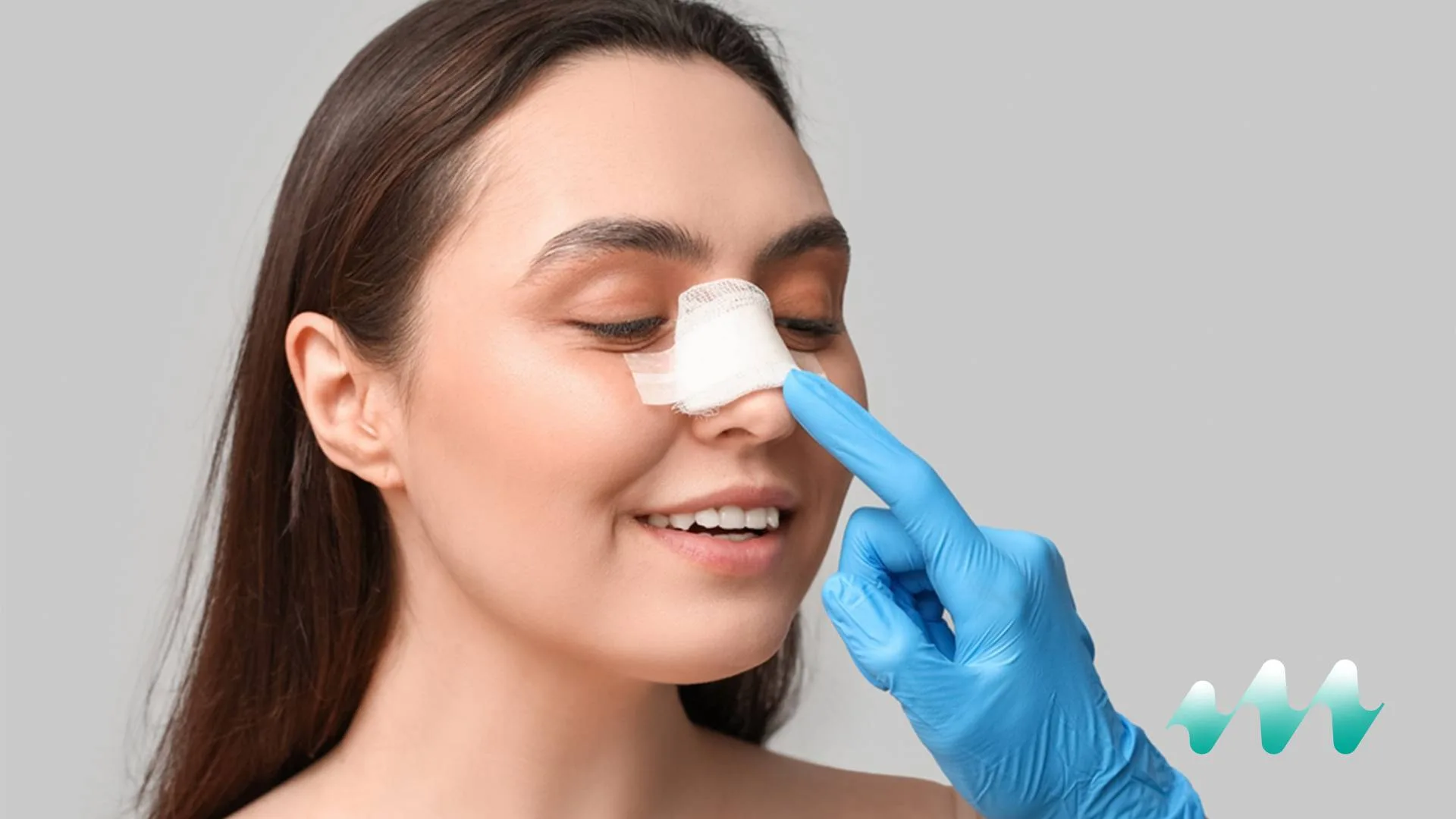
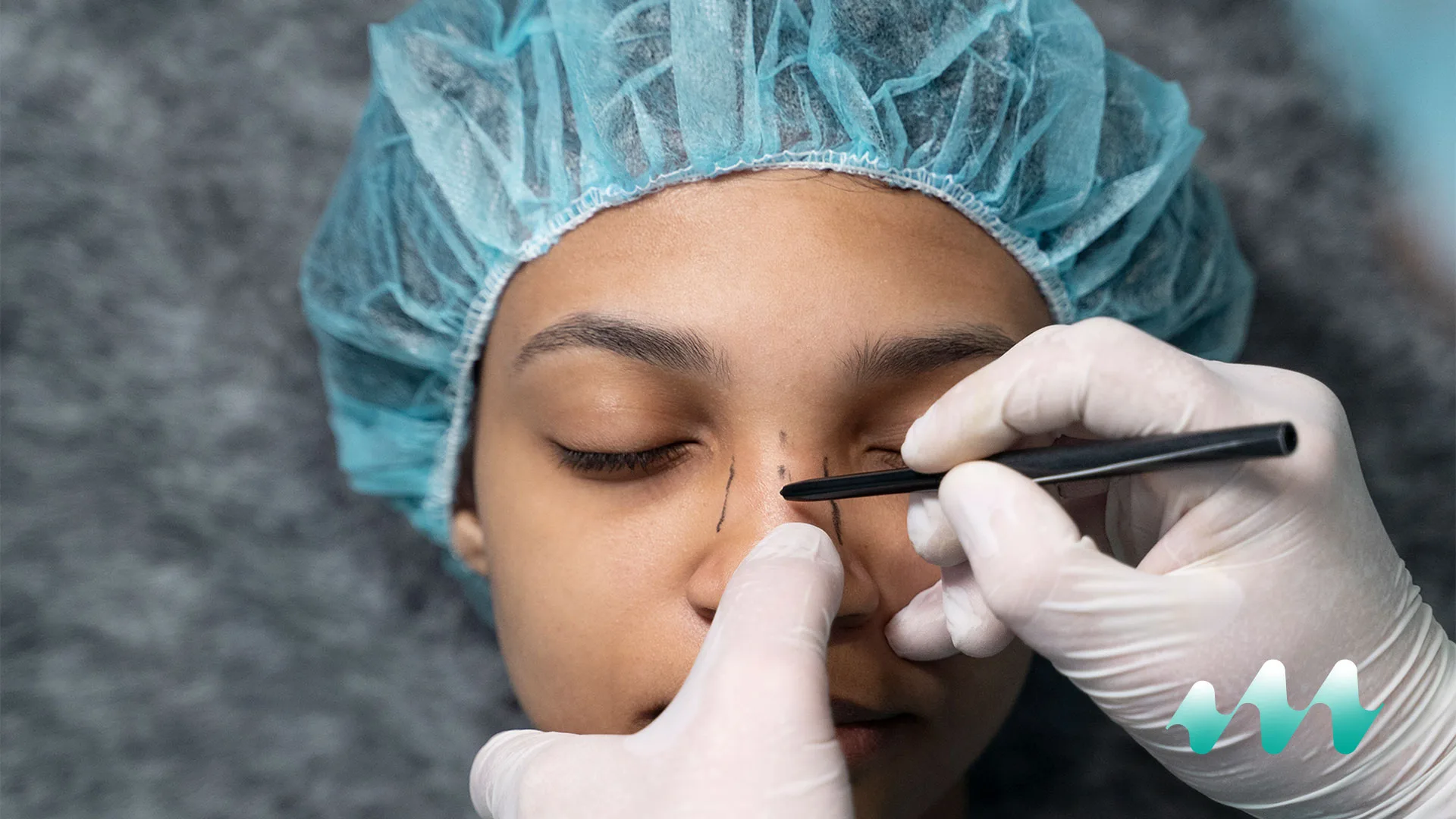
Nose plastic surgery cover visual for rhinoplasty treatment at Medicape Health Turkey

What is rhinoplasty?

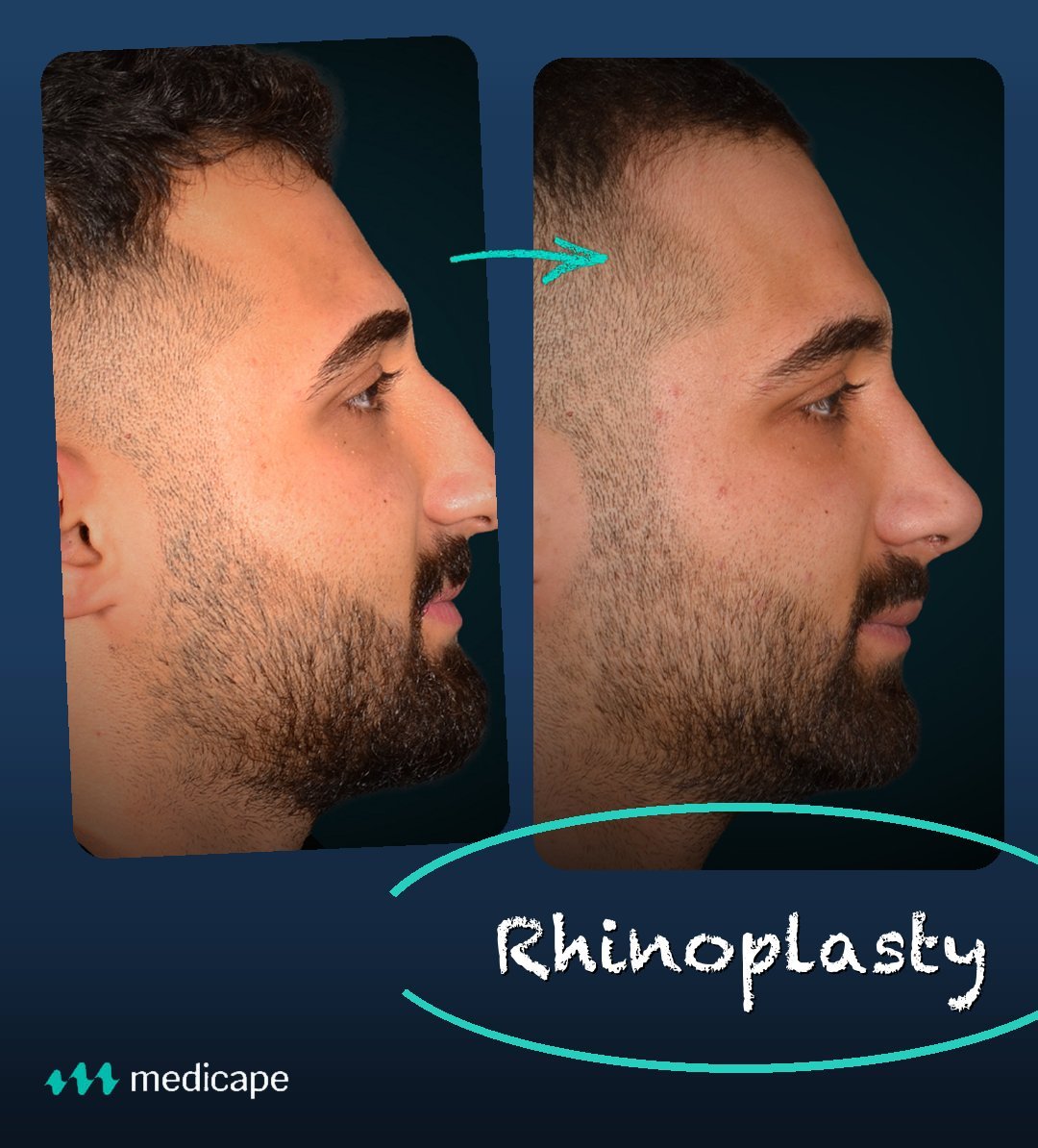
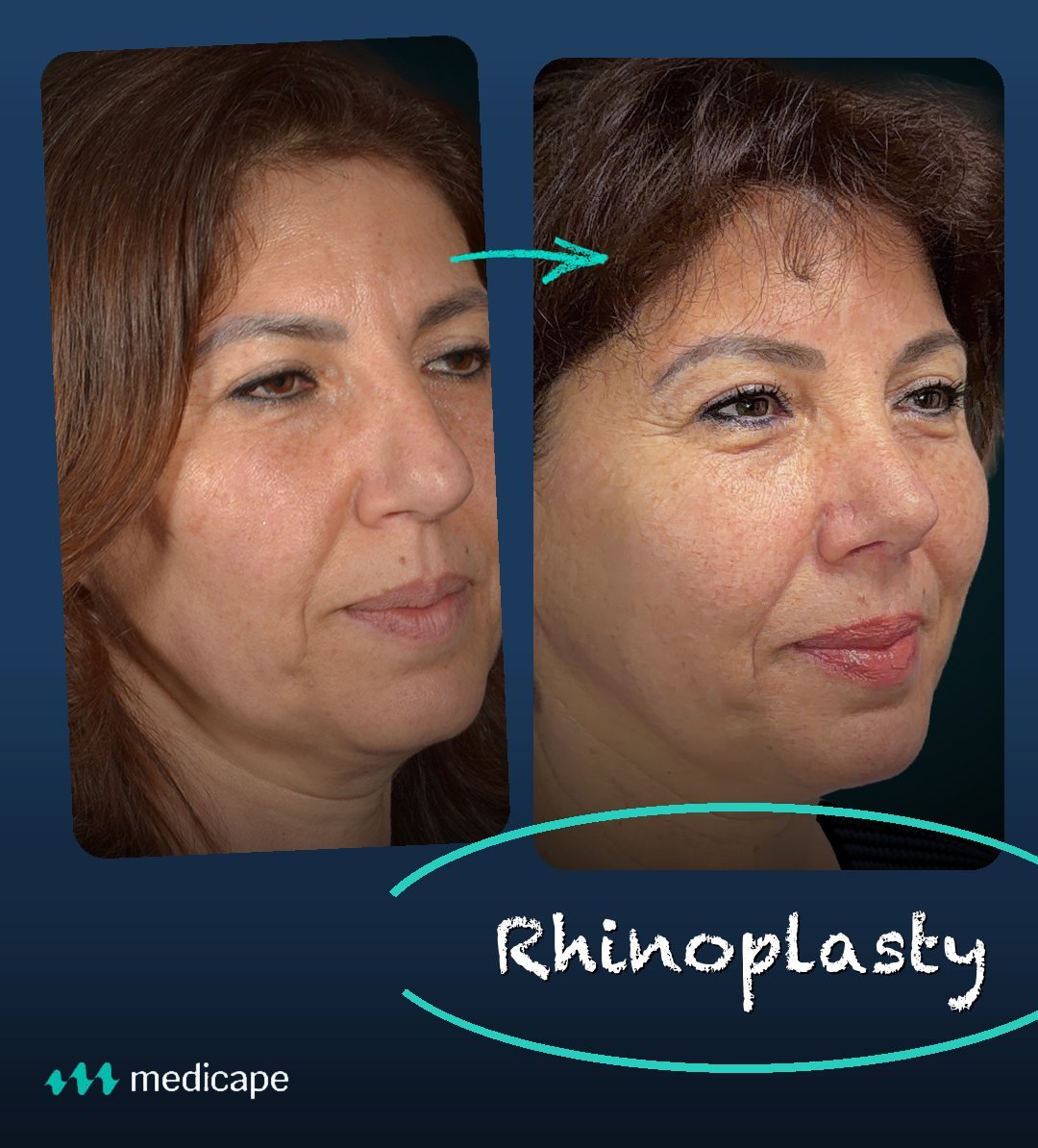
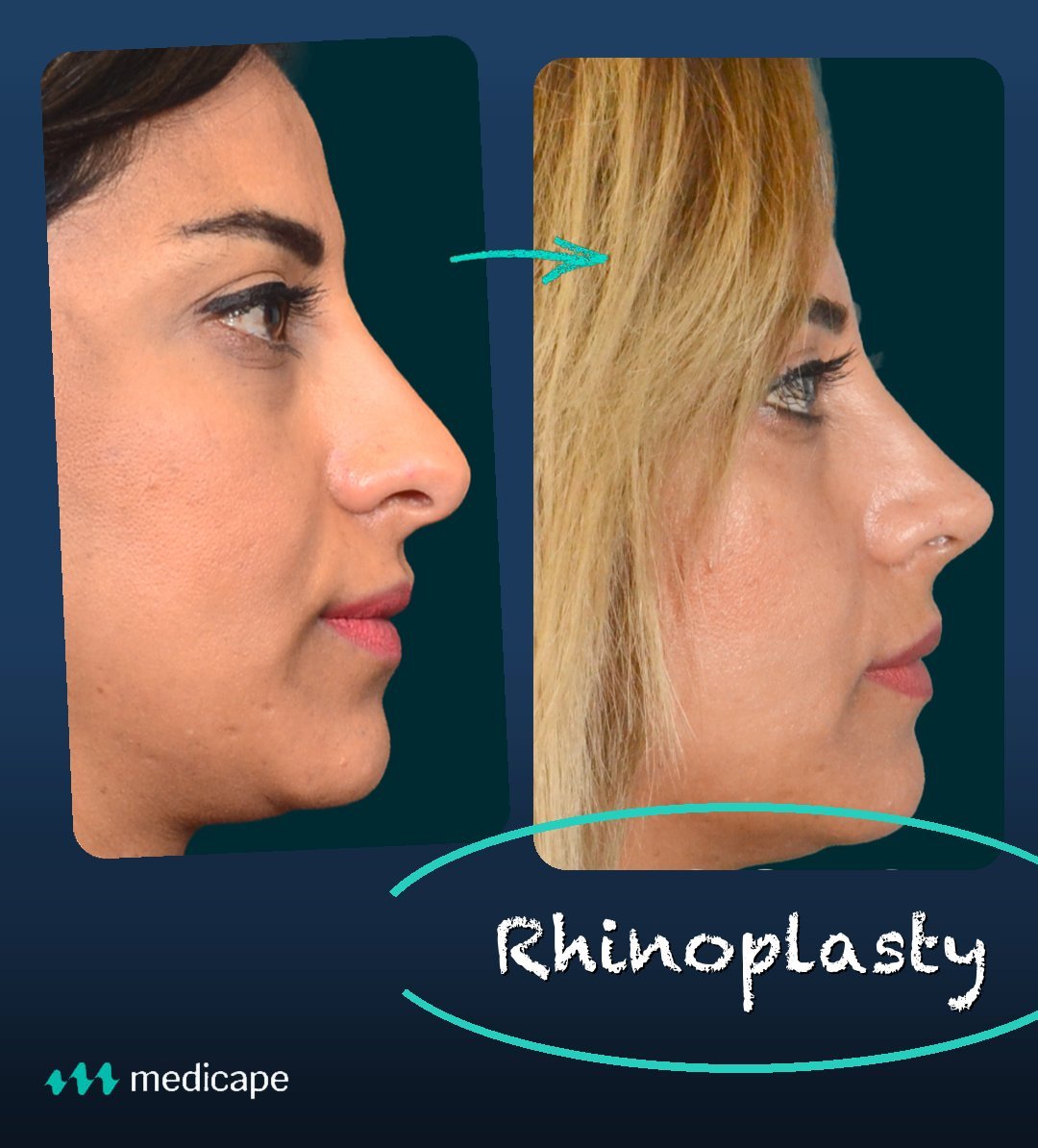
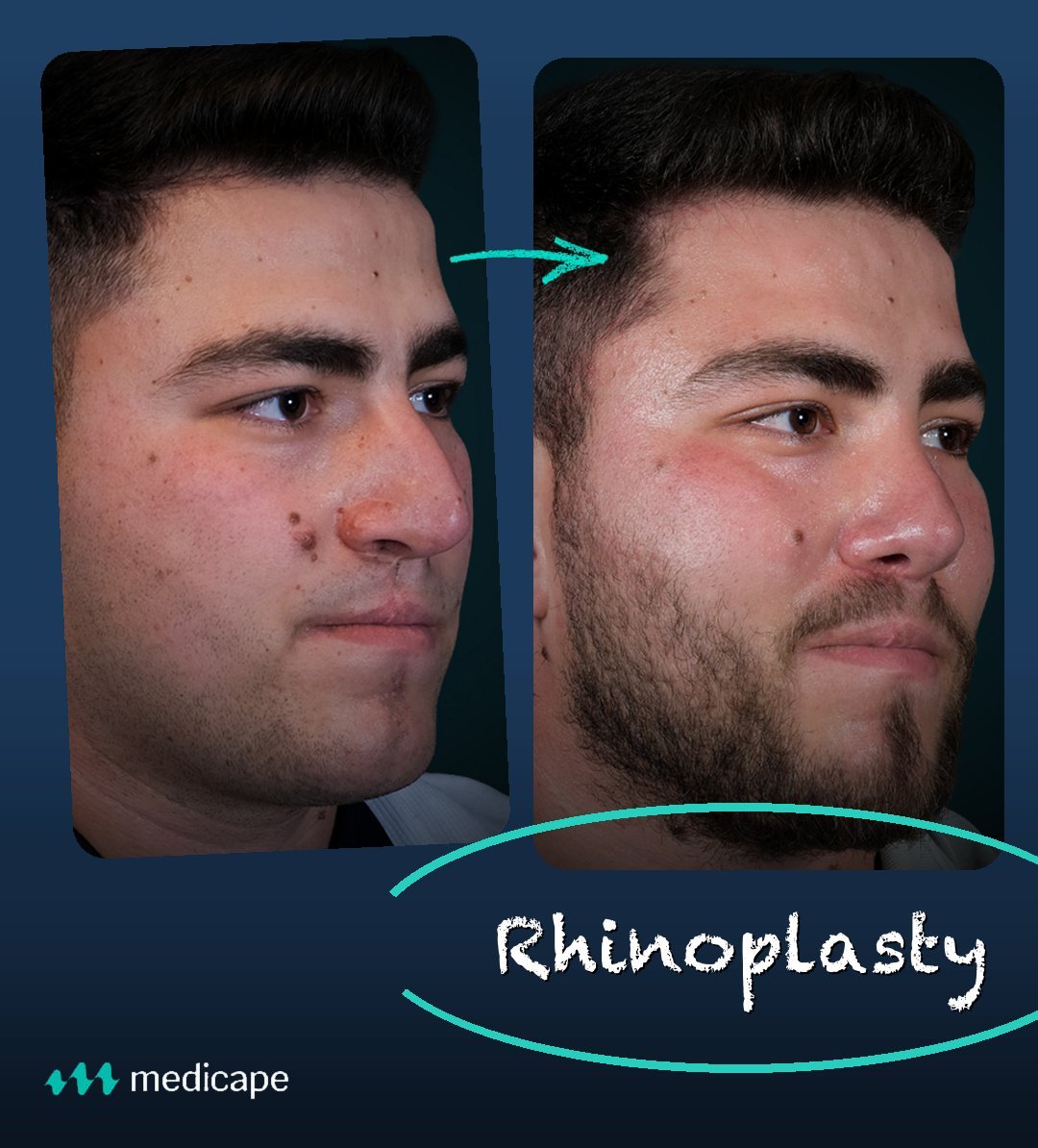
Rhinoplasty, often called a nose job, reshapes the nose. It can reduce a hump, refine or lift the tip, narrow the nose, straighten it, or bring it into better balance with the rest of the face.

The nose also has a job to do: it’s how you breathe. If the septum (the wall inside the nose) is bent, it can be straightened in the same operation. This is called septorhinoplasty.

Shape and breathing, by the same surgeon

Your rhinoplasty is planned and performed by a specialist in Ear, Nose and Throat (ENT) and Head and Neck Surgery. That means the inside of your nose is assessed as carefully as the outside.

A bent septum: the wall between your nostrils can be straightened so air flows freely on both sides.

Swollen turbinates: these are ridges of tissue on the inside walls of the nose that warm and filter the air. When they’re enlarged, they can block the nose even if the septum is straight. They can be reduced in the same operation.

Snoring, mouth breathing and blocked sinuses: if these are linked to a blocked nose, opening the airway can help. Your surgeon will tell you honestly whether your nose is likely to be the cause.

Changing the shape of the nose without taking breathing into account can make breathing worse. Planning both together helps avoid this, and you only need one operation and one recovery.

Is rhinoplasty right for you?

Rhinoplasty may suit you if:

you’re unhappy with the size, shape or symmetry of your nose

you have a hump, a drooping or wide tip, or a nose that’s crooked after an injury

you have trouble breathing through your nose because of its structure

your face has finished growing, usually from around 17

you’re in good general health and have realistic expectations

If you’ve had nose surgery before, see our revision rhinoplasty page.

Your surgeon

Your surgery is performed by a specialist in ENT and Head and Neck Surgery. You can find your surgeon’s profile, qualifications and experience on the Our Doctors page.

You’ll speak with your surgeon in your online consultation, before anything is booked.

Before your surgery

A little preparation makes surgery safer and recovery smoother.

Tell us about any health conditions, such as high blood pressure, diabetes, thyroid problems or anaemia. These should be well controlled before you travel.

List everything you take, including supplements and herbal products. Some, such as fish oil, vitamin E, ginkgo and garlic tablets, can increase bleeding. Your surgeon will tell you which to stop and when.

Stop smoking for at least four weeks before and after surgery, as it slows healing.

Avoid alcohol for a week before surgery.

Bring photos and examples of noses you like if you have them. They help your surgeon understand what you’re hoping for.

Our approach: closed rhinoplasty

We prefer closed rhinoplasty whenever it suits your nose. All the work is done through small incisions inside the nostrils, so there are no cuts on the outside of your nose.

What closed rhinoplasty can do

reduce or remove a hump

narrow the bridge or the bony part of the nose

refine, lift or slim the tip

straighten a crooked nose

correct a deviated septum to improve breathing, in the same operation

add support with cartilage grafts from the septum

Why we prefer it

No visible scar: there’s no cut on the strip of skin between your nostrils (the columella), so nothing shows on the outside.

The skin stays attached: the skin of the nose isn’t lifted off the structure underneath. This helps protect its blood supply and natural support.

Often less swelling: especially at the tip, so many people look presentable sooner. Every nose heals differently, and the final result still takes up to a year.

More natural support kept: more of the nose’s own ligaments and structure are left in place, which helps the result look natural and stay stable.

Closed and open rhinoplasty compared

Closed rhinoplasty Open rhinoplasty
Incisions Inside the nostrils only Inside the nostrils and a small cut across the strip of skin between the nostrils
Visible scar None A small line under the nose that usually fades well
Swelling Often less, especially at the tip Often more at the tip, settling over months
Often chosen for Most first-time rhinoplasties: humps, tip refinement, straightening and breathing Complex cases, such as major tip reconstruction or some revisions

When open rhinoplasty may be better

Closed rhinoplasty isn’t right for every nose. Your surgeon may recommend the open approach if your tip needs to be rebuilt, large grafts are needed, or you’ve had nose surgery before. If so, you’ll be told in your consultation, with the reason why, before anything is booked.

Other techniques we may use

Piezo (ultrasonic) instruments to shape the bone more precisely, which can mean less bruising.

Preservation rhinoplasty, which lowers a hump while keeping the natural structure of the bridge, in selected patients.

Cartilage grafts from the septum, or sometimes the ear or rib, to support and shape the nose.

Only bothered by the tip?

If you’re happy with the bridge of your nose and only want to change the tip, you may not need a full rhinoplasty. Tip rhinoplasty works only on the cartilage at the end of the nose. The bones aren’t touched.

Good for: a wide, rounded, drooping or uneven tip, or nostrils that look too wide.

Shorter operation: usually about an hour.

Lighter recovery: as the bones aren’t broken, there is usually little or no bruising around the eyes.

Shorter stay: many patients can go back to the hotel on the same day.

Your surgeon will look at your photos and tell you whether a tip rhinoplasty is enough, or whether the rest of your nose needs to be shaped too for a balanced result.

How the operation is done

Anaesthesia: general anaesthetic. Small tip-only changes may sometimes be done under local anaesthetic with sedation.

Duration: about 2 to 3 hours.

Afterwards: a small splint is placed on the outside of the nose. Many patients have soft silicone splints inside the nose instead of traditional packing.

Hospital stay: usually one night.

Rhinoplasty alongside other procedures

With otoplasty (ear surgery): in the same operation, for adults.

With lip aesthetics or a jawline filler: to balance the profile. Your nose, lips and chin are seen together from the side.

With buccal fat removal: for a slimmer lower face.

With eyelid surgery or a facelift: your rhinoplasty surgeon and a plastic surgeon can work together in one operation.

Your 7-day plan in Adana

Before you travel: free online consultation with your surgeon, photo review, medical history, written treatment plan and quote.

Day 1 – Arrival: private transfer from the airport to your hotel.

Day 2 – Tests and surgery: blood tests, a final planning talk with your surgeon, then surgery.

Days 2–3 – Hospital stay: one night in hospital with nursing care.

Days 3–6 – Hotel recovery: rest with your head raised. Internal splints are usually removed in the first days. Your coordinator checks in with you every day.

Day 7 – Splint off and departure: your surgeon removes the external splint and stitches, checks your nose and clears you to fly. You receive a written discharge summary in English.

Back home: photo check-ins with your surgeon every two weeks for the first two months, then monthly until your first year.

What’s included

Surgery and surgeon’s fees

Hospital stay with nursing care

Hotel accommodation

Pre-operative tests

Splint and dressings

Post-operative check-ups and splint removal

Private airport, hotel and hospital transfers

Interpreter and coordinator support

Online follow-up after you return home

Not included: flights, travel insurance, personal expenses.

Recovery: what to expect

Days 1–3: a blocked nose, swelling and bruising around the eyes. Sleep with your head raised.

Day 7: the splint comes off. Your nose will look swollen, which is normal.

Weeks 2–3: most bruising has gone and many people return to work and social life.

Weeks 4–6: gradual return to exercise. Avoid contact sports and resting glasses on your nose.

Months 3–6: the nose looks more refined as swelling goes down.

Up to 12 months or longer: final result. With thick skin, the tip can keep refining for up to two years.

Risks you should know about

Swelling that takes a long time to settle, especially at the tip.

Breathing problems: a blocked feeling is normal at first. Rarely, breathing doesn’t improve or gets worse and needs further treatment.

Asymmetry or an unexpected shape: small irregularities can appear as swelling settles.

Bleeding: usually minor nosebleeds in the first days.

Dryness and crusting inside the nose for the first weeks. Saline sprays help.

Infection: uncommon.

Numbness of the tip of the nose or upper teeth, usually temporary.

Need for a revision: some patients choose a small touch-up later. This is usually considered only after at least 12 months.

Your surgeon will go through your personal risks with you before you decide.

Once you’re back home

You leave with a written discharge summary in English, which you can share with your GP or family doctor.

You keep WhatsApp access to your coordinator and can send photos at any time.

In the first two months, you send photos every two weeks and your surgeon checks your healing. After that, you check in once a month, by photo or video call, for the rest of the first year.

If you have a concern, we review it with your surgeon and tell you clearly what to do next.

How long do the results last?

The new shape of your nose is long-lasting. Your nose will still age with the rest of your face, and an injury can change it. The final result can take a year or more to appear, so it’s best to judge it only after that time.

Will it hurt?

Most people describe the first days as uncomfortable rather than painful. The blocked feeling is usually the hardest part, and you’ll have pain relief.

Will I have packing in my nose?

Many patients have soft silicone splints instead of traditional packing. They are usually removed in the first days.

Can rhinoplasty fix my breathing?

If your breathing problem is caused by the structure of your nose, such as a deviated septum, it can often be improved in the same operation. Your surgeon assesses this before surgery.

Will people know I’ve had surgery?

The aim is a nose that suits your face and looks natural. With closed rhinoplasty there is no visible scar.

Why do you prefer closed rhinoplasty?

It leaves no visible scar, keeps the skin of the nose attached to the structure underneath, and often means less swelling at the tip. Most first-time rhinoplasties can be done this way. If your nose needs the open approach, your surgeon will explain why.

Can my tip be changed with closed rhinoplasty?

Yes. The tip can be refined, lifted or slimmed through the nostrils. Open rhinoplasty is usually only needed if the tip has to be rebuilt.

Can I see what my new nose will look like before surgery?

Computer simulations can be misleading, because they can’t show how your skin will drape over the new shape. Thick skin, for example, softens fine detail. Instead, your surgeon talks through your photos with you, shows examples of similar noses, and tells you honestly what is realistic for your face and skin.

Can I have a nose like someone in a photo?

Photos are a helpful way to show what you like, such as a straighter bridge or a more lifted tip. But a nose that suits one face may not suit another. The aim is a nose that fits your features, not a copy.

Only the tip of my nose bothers me. Do I need full rhinoplasty?

Not always. A tip rhinoplasty changes only the cartilage at the end of the nose, with a shorter operation and usually little bruising.

When can I fly home?

Usually on day 7, after your splint is removed and your surgeon has checked your nose.

When can I wear glasses?

You should avoid resting glasses on your nose for about four to six weeks. Your surgeon will advise you.

Can someone come with me?

Yes, and we recommend it. Your companion can stay with you at the hotel.

Op. Dr. Sümbül Bayraktar Güzeldağ Contracted Hospital Rhinoplasty Surgery
Op. Dr. Sümbül Bayraktar Güzeldağ
Ear, Nose and Throat Diseases and Head and Neck Surgery Specialist
JCI-Accredited Hospital
Contracted Hospital
Rhinoplasty
Rhinoplasty is performed by a specialist in Ear, Nose and Throat (ENT) and Head and Neck Surgery. The shape of your nose and your breathing are planned together, with an honest explanation of the technique and risks before you decide. Rhinoplasty procedures at Medicape Health are performed at our JCI-accredited partner hospital in Adana. Rhinoplasty, often called a nose job, reshapes the nose. It can also straighten a bent septum to improve breathing.

How much does rhinoplasty cost?

The cost depends on the technique, whether breathing problems are treated at the same time and whether it’s combined with another procedure. Send us your photos and you’ll receive a written, all-inclusive quote within 24 hours.

Considering Rhinoplasty in Turkey?

Tell us briefly about your case and our patient coordinator will get back to you with the details.

Get Detailed Information

Start with a free online consultation

Send us photos of your face on WhatsApp. A patient coordinator replies within 24 hours, and you’ll speak with your surgeon about both the shape of your nose and your breathing before anything is booked.
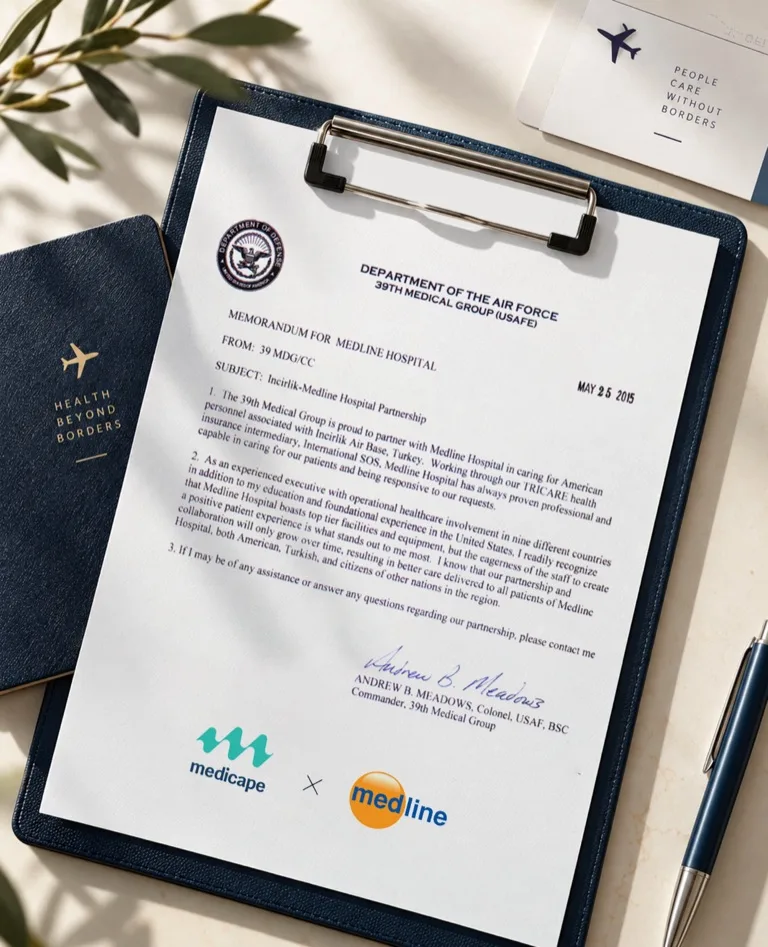
U.S. Air Force 39th Medical Group memorandum to Medline Hospital dated 25 May 2015, with Medicape Health and Medline logos
Medicape Health × Medline Adana Hospital
OUR TRUSTED HOSPITAL PARTNER

A Partnership Backed by International Trust

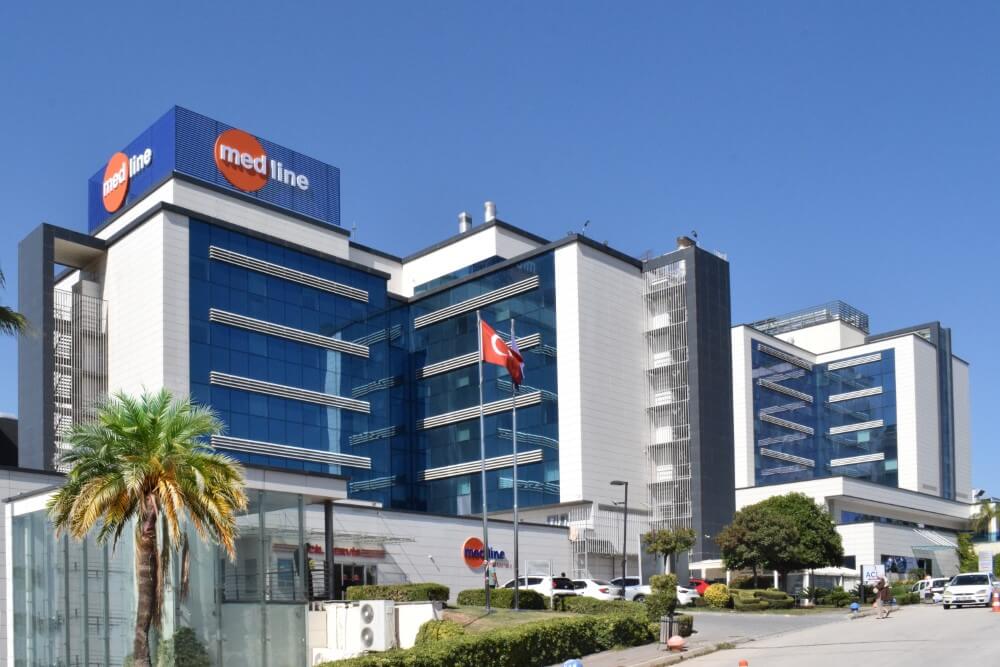
Medicape Health works in partnership with Medline Adana Hospital, a long-standing healthcare provider for the international community, including U.S. personnel associated with İncirlik Air Base.

A Relationship Recognized Since 2015

Medline Hospital’s quality of care and patient experience were recognized by the Commander of the U.S. Air Force 39th Medical Group in 2015.

About our partner hospital
Related Treatments

Open WhatsApp
Scroll
CONTACT US
WHATSAPP