Cemalpaşa Mh. Atatürk Caddesi Gül Apt. Kat:3 Daire:9 Seyhan/Adana, Türkiye
+90 531 315 29 94 info@medicapehealth.com
Nose Plastic Surgery

Ethnic Rhinoplasty in Turkey

Refining your nose while keeping the features that make it yours, planned by a specialist in ENT and Head and Neck Surgery.

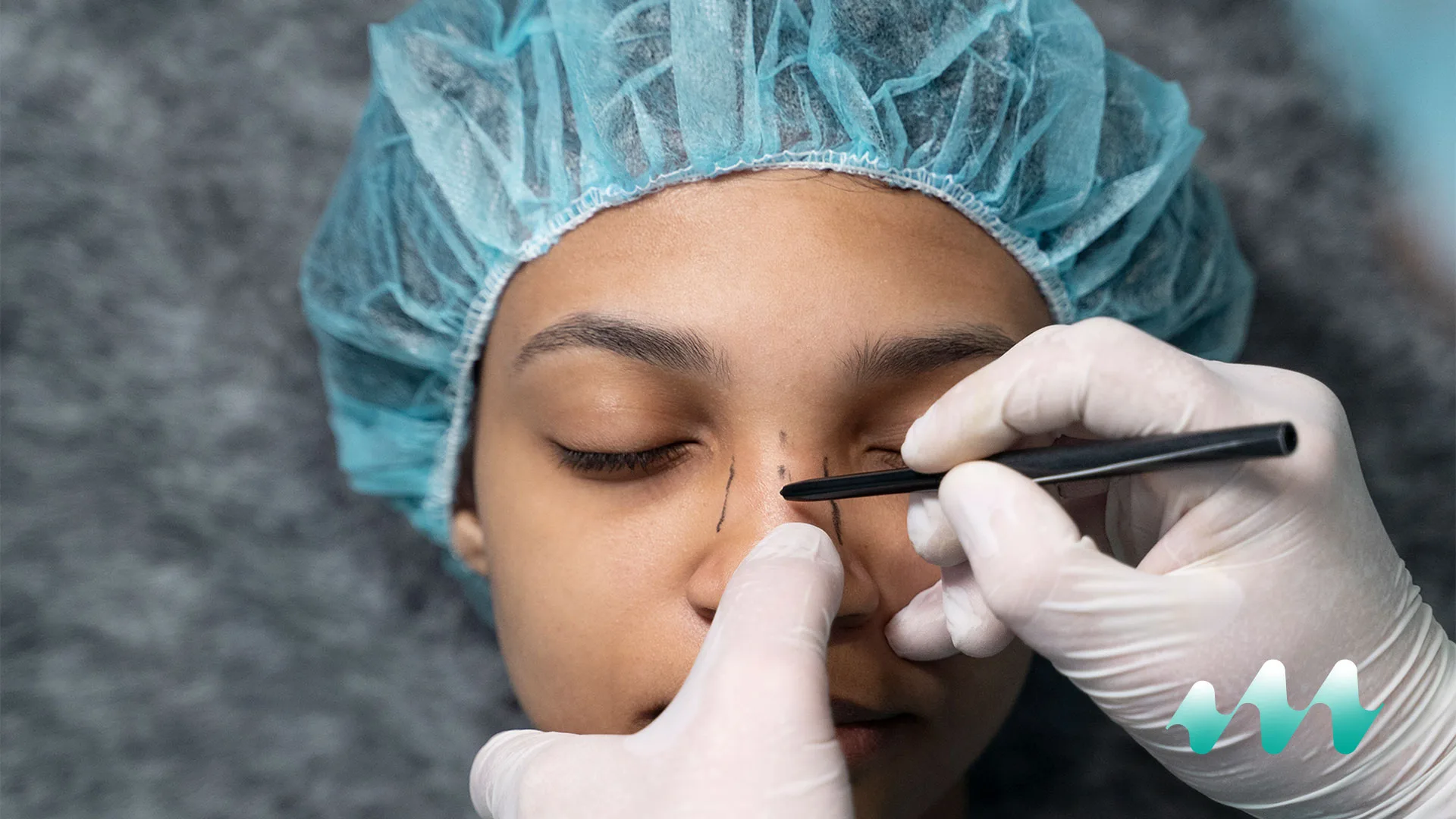
Ethnic rhinoplasty visual for identity preserving nose surgery at Medicape Health

What is ethnic rhinoplasty?

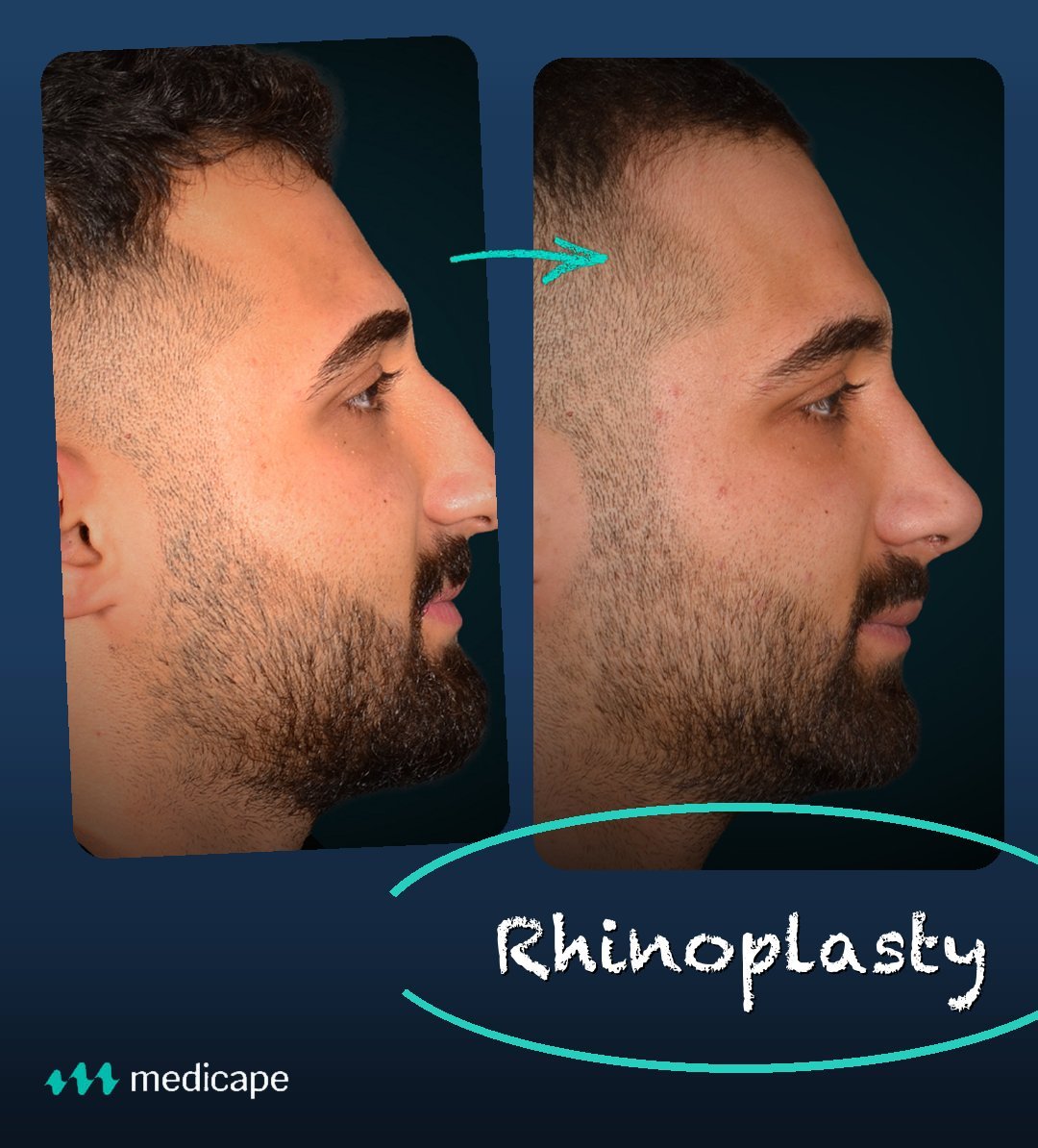
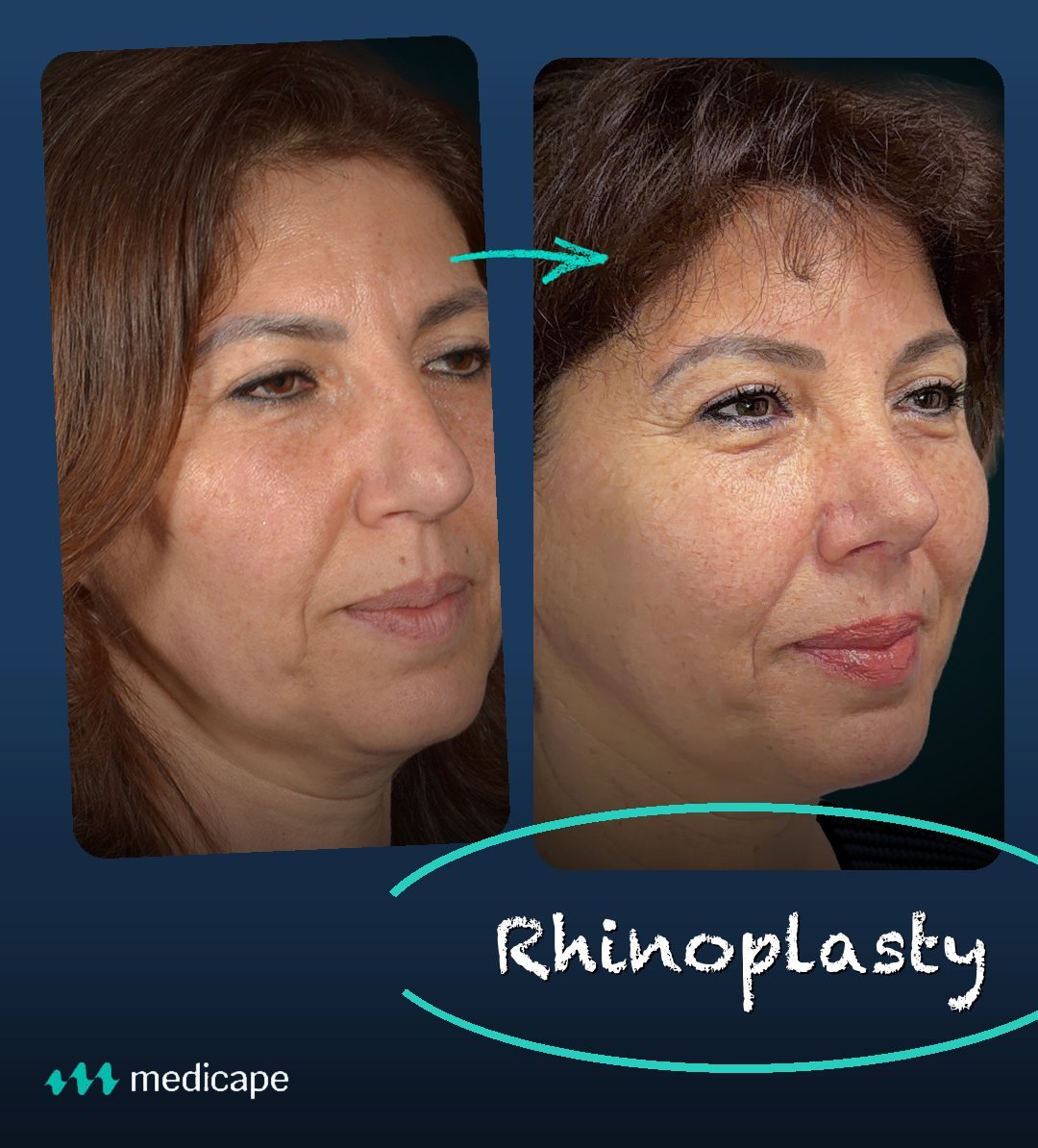
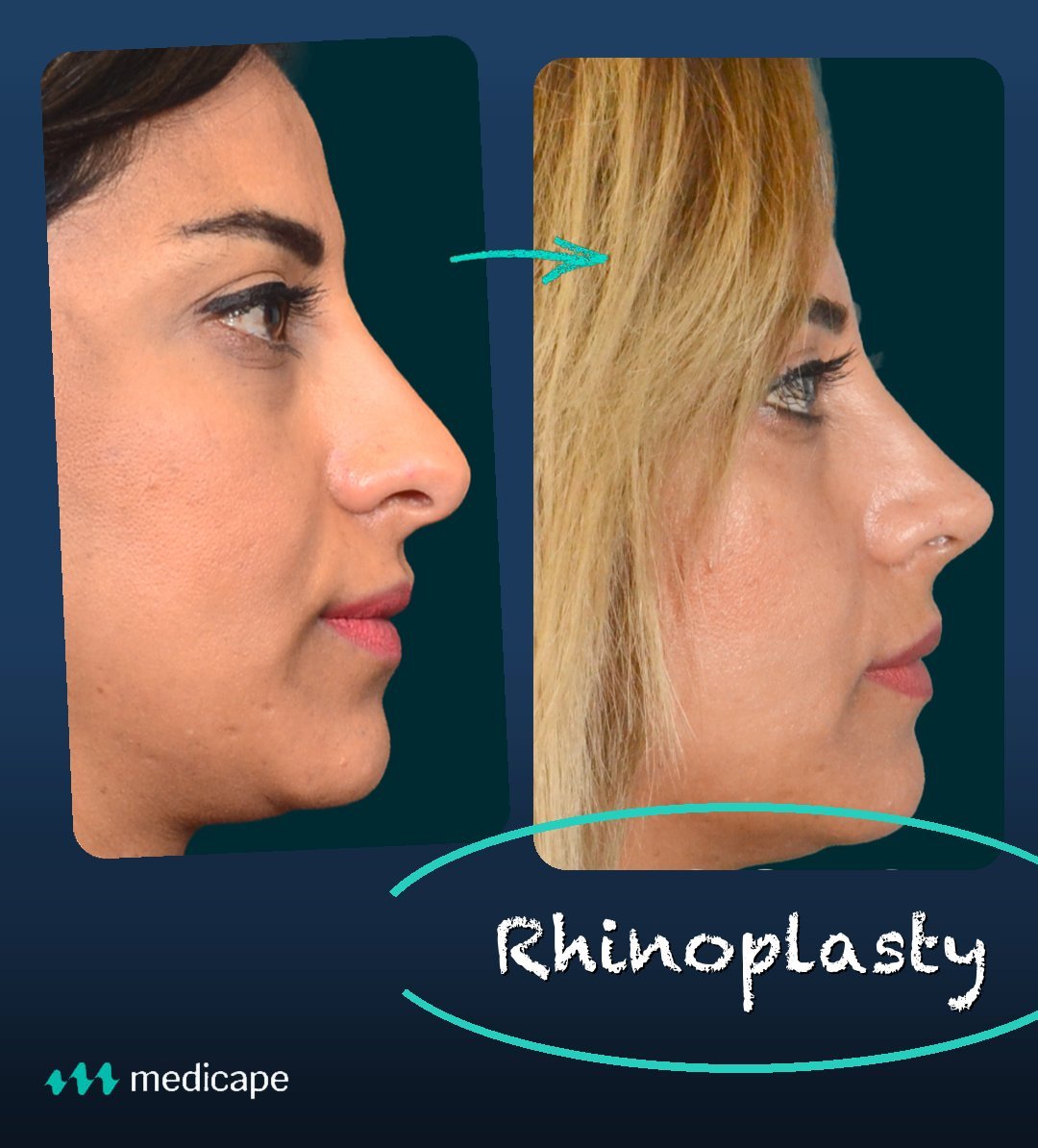
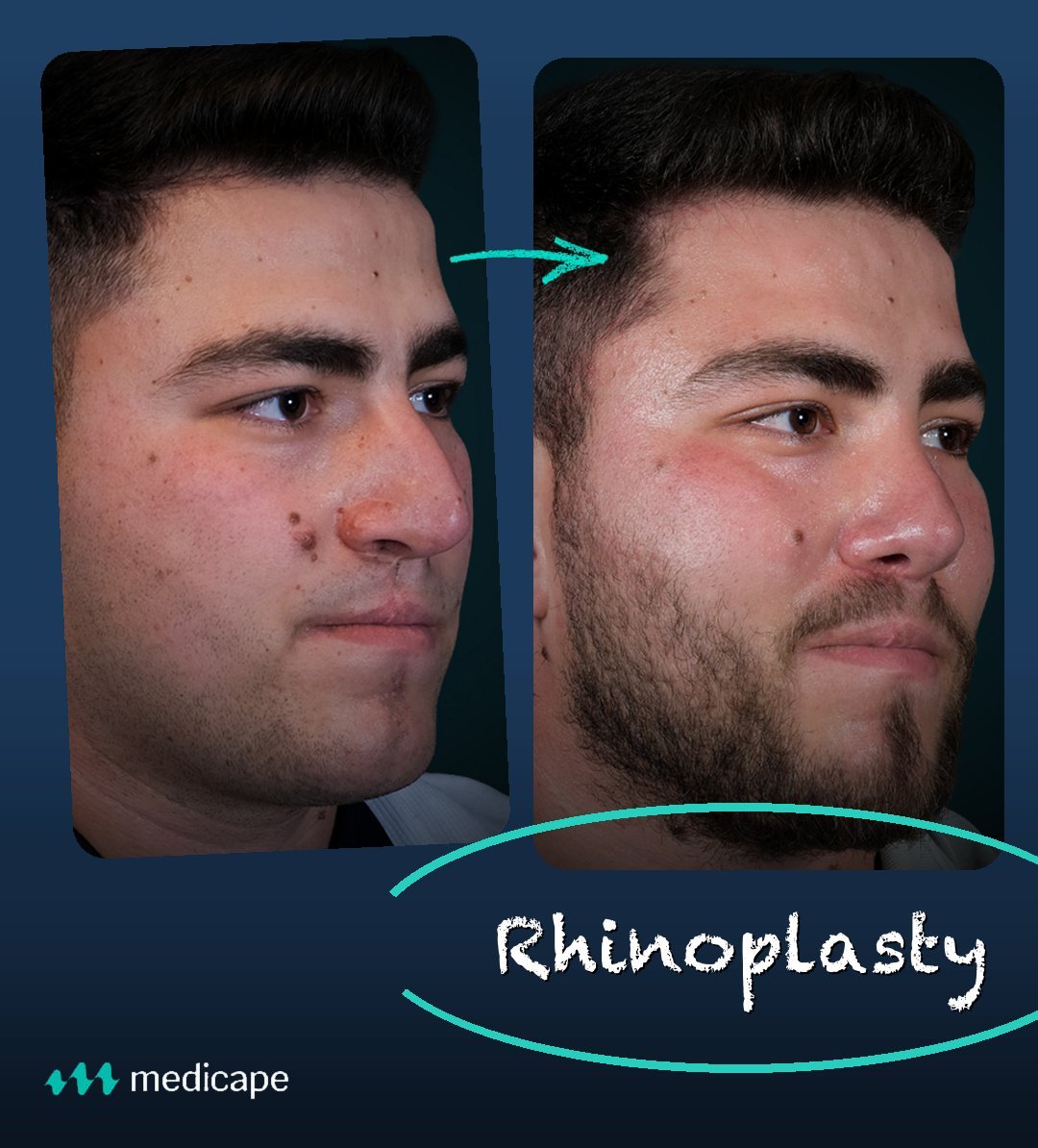
Ethnic rhinoplasty is nose surgery that respects your heritage. It’s often chosen by people of African, Caribbean, Middle Eastern, Asian, Latin or mixed heritage who want to refine their nose without it looking like it belongs to someone else.

The aim isn’t a “standard” nose. It’s a nose that’s in balance with your face, your features and your identity, and that breathes well.

You decide what changes and what stays

Every nose is different, whatever your background. Your consultation starts with what you’d like to keep, not just what you’d like to change. Common requests include:

a more defined or lifted tip

narrower nostrils or a narrower base

a higher or straighter bridge

a smaller hump

better breathing

You’re never expected to want all of these. Many people choose one or two small changes.

Why experience with your nose type matters

Skin thickness: thicker skin softens fine detail and holds swelling for longer. Changes need to be planned with this in mind, and the tip often needs stronger support.

Softer cartilage: the tip may need to be supported with cartilage grafts to hold its new shape.

The bridge: a low bridge can be raised with your own cartilage to give more definition.

The nostrils: wide nostrils can be narrowed with small cuts hidden in the natural crease where the nostril meets the cheek.

Breathing: a deviated septum or narrow airway can be treated in the same operation.

Is ethnic rhinoplasty right for you?

Ethnic rhinoplasty may suit you if:

you’d like to refine your nose while keeping a natural, familiar look

you have breathing problems linked to the structure of your nose

your face has finished growing, usually from around 17

you’re in good general health and have realistic expectations

Please tell us in your consultation if you’ve had keloid or raised scars before, as this can affect the choice of technique.

Your surgeon

Your surgery is performed by a specialist in ENT and Head and Neck Surgery. You can find your surgeon’s profile, qualifications and experience on the Our Doctors page.

You’ll speak with your surgeon in your online consultation, before anything is booked.

How it’s done

Anaesthesia: general anaesthetic.

Duration: about 2.5 to 4 hours, depending on what’s being changed.

Approach: open or closed rhinoplasty, depending on your nose. Larger changes to the tip usually need the open approach.

Cartilage grafts: for small changes, usually from your septum. If your bridge needs to be raised noticeably, there often isn’t enough septal cartilage, and rib cartilage is usually needed. Your surgeon will tell you which is likely in your consultation. A rib graft leaves a small scar on the chest.

Afterwards: a splint is placed on the outside of the nose, with soft internal splints where needed.

Hospital stay: usually one night.

Ethnic rhinoplasty alongside other procedures

Your nose is seen together with your lips, chin and forehead, especially from the side. Small changes elsewhere can help the whole face feel balanced.

With a jawline or chin filler: a more defined chin can balance a raised bridge or lifted tip.

With lip aesthetics: for patients who’d also like to change the shape or size of their lips.

With buccal fat removal: for a slimmer lower face.

With otoplasty (ear surgery): in the same operation, for adults.

Your surgeon will tell you what is sensible to combine and what is better left as it is.

Your 7-day plan in Adana

Before you travel: free online consultation with your surgeon, photo review, medical history, written treatment plan and quote.

Day 1 – Arrival: private transfer from the airport to your hotel.

Day 2 – Tests and surgery: blood tests, a final planning talk with your surgeon, then surgery.

Days 2–3 – Hospital stay: one night in hospital with nursing care.

Days 3–6 – Hotel recovery: rest with your head raised. Internal splints are usually removed in the first days. Your coordinator checks in with you every day.

Day 7 – Splint off and departure: your surgeon removes the external splint and stitches, checks your nose and clears you to fly. You receive a written discharge summary in English.

Back home: photo check-ins with your surgeon every two weeks for the first two months, then monthly until your first year.

What’s included

Surgery and surgeon’s fees

Hospital stay with nursing care

Hotel accommodation

Pre-operative tests

Cartilage grafts from your own body

Splint and dressings

Post-operative check-ups and splint removal

Private airport, hotel and hospital transfers

Interpreter and coordinator support

Online follow-up after you return home

Not included: flights, travel insurance, personal expenses.

Recovery: what to expect

Days 1–3: a blocked nose, swelling and bruising. Sleep with your head raised.

Day 7: the splint comes off. Your nose will look swollen, which is normal.

Weeks 2–3: most bruising has gone and many people return to work and social life.

Weeks 4–6: gradual return to exercise. Avoid contact sports and resting glasses on your nose.

Months 3–6: the shape becomes more defined.

12 to 18 months: final result. With thicker skin, the tip often takes the longest to settle.

Risks you should know about

Long-lasting swelling, especially at the tip and with thicker skin.

Less definition than hoped: thick skin can soften the result. Your surgeon will tell you honestly what is realistic for your skin.

Scarring at the base of the nostrils, if they are narrowed. These scars usually fade well, but can sometimes darken or thicken.

Breathing problems: a blocked feeling is normal at first. Rarely, breathing doesn’t improve.

Asymmetry or irregularities, which can appear as swelling settles.

Graft problems: a graft may move or be partly absorbed.

Chest discomfort or scarring if rib cartilage is used.

Need for a revision: slightly more common than after other rhinoplasty. This is usually considered only after at least 12 to 18 months.

Your surgeon will go through your personal risks with you before you decide.

Once you’re back home

You leave with a written discharge summary in English, which you can share with your GP or family doctor.

You keep WhatsApp access to your coordinator and can send photos at any time.

In the first two months, you send photos every two weeks and your surgeon checks your healing. After that, you check in once a month, by photo or video call, for the rest of the first year.

If you have a concern, we review it with your surgeon and tell you clearly what to do next.

How long do the results last?

Once healed, the result is long-lasting. Your nose will still age with the rest of your face, and an injury can change it. With thicker skin, it’s best to judge the final result after 12 to 18 months.

Will my nose still look like mine?

That’s the starting point. In your consultation, you and your surgeon agree on what to keep and what to refine.

I have thick skin. Can I still get a defined result?

Yes, but the change will be softer than with thin skin, and it takes longer to show. Your surgeon will show you what is realistic.

Can my nostrils be made smaller?

Yes. Small cuts are made in the natural crease at the base of the nostrils. The scars usually fade well.

Can my bridge be raised?

Yes, with your own cartilage. For a noticeable change, this is often taken from the rib, which leaves a small scar on the chest.

Can my breathing be improved?

If your breathing problem is caused by the structure of your nose, it can often be improved in the same operation.

When can I fly home?

Usually on day 7, after your splint is removed and your surgeon has checked your nose.

Op. Dr. Sümbül Bayraktar Güzeldağ Contracted Hospital Ethnic Rhinoplasty Surgery
Op. Dr. Sümbül Bayraktar Güzeldağ
Ear, Nose and Throat Diseases and Head and Neck Surgery Specialist
JCI-Accredited Hospital
Contracted Hospital
Ethnic Rhinoplasty
Ethnic rhinoplasty is performed by a specialist in Ear, Nose and Throat (ENT) and Head and Neck Surgery. The aim is a nose that is in balance with your face and your features, agreed with you before you decide. Ethnic rhinoplasty procedures at Medicape Health are performed at our JCI-accredited partner hospital in Adana. Ethnic rhinoplasty is nose surgery that respects your heritage, refining the nose while keeping the features that make it yours.

How much does ethnic rhinoplasty cost?

The cost depends on the changes you’d like, whether grafts are needed and whether breathing is treated at the same time. Send us your photos and you’ll receive a written, all-inclusive quote within 24 hours.

Considering Ethnic Rhinoplasty in Turkey?

Tell us briefly about your case and our patient coordinator will get back to you with the details.

Get Detailed Information

Start with a free online consultation

Send us your photos on WhatsApp and tell us what you’d like to keep and change. A patient coordinator replies within 24 hours, and your surgeon will tell you honestly what is possible before anything is booked.
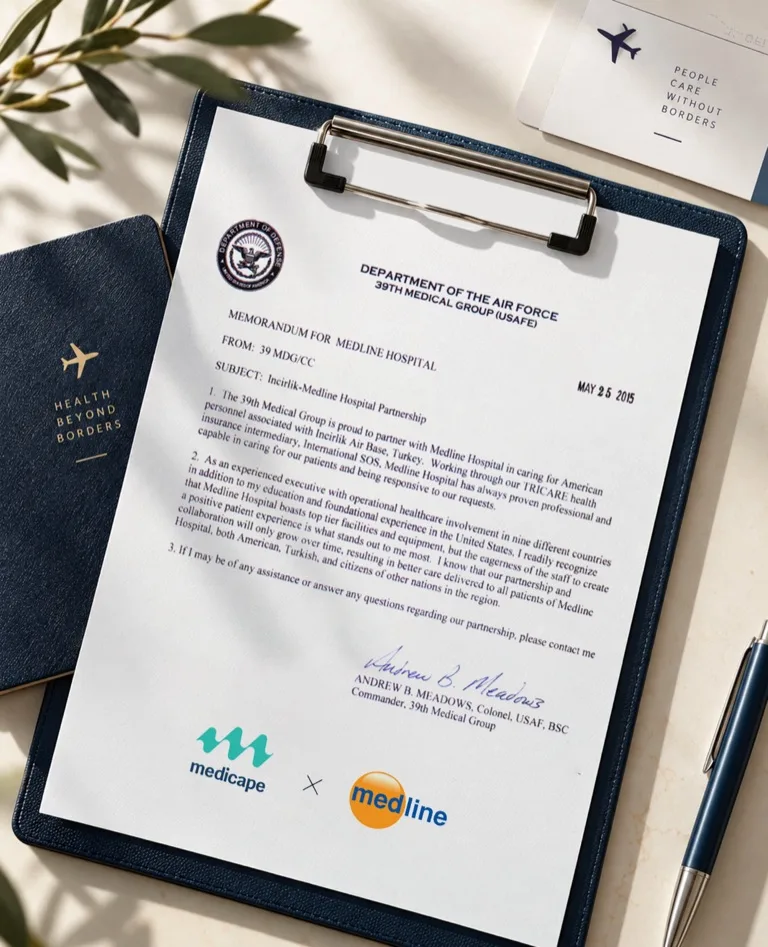
U.S. Air Force 39th Medical Group memorandum to Medline Hospital dated 25 May 2015, with Medicape Health and Medline logos
Medicape Health × Medline Adana Hospital
OUR TRUSTED HOSPITAL PARTNER

A Partnership Backed by International Trust

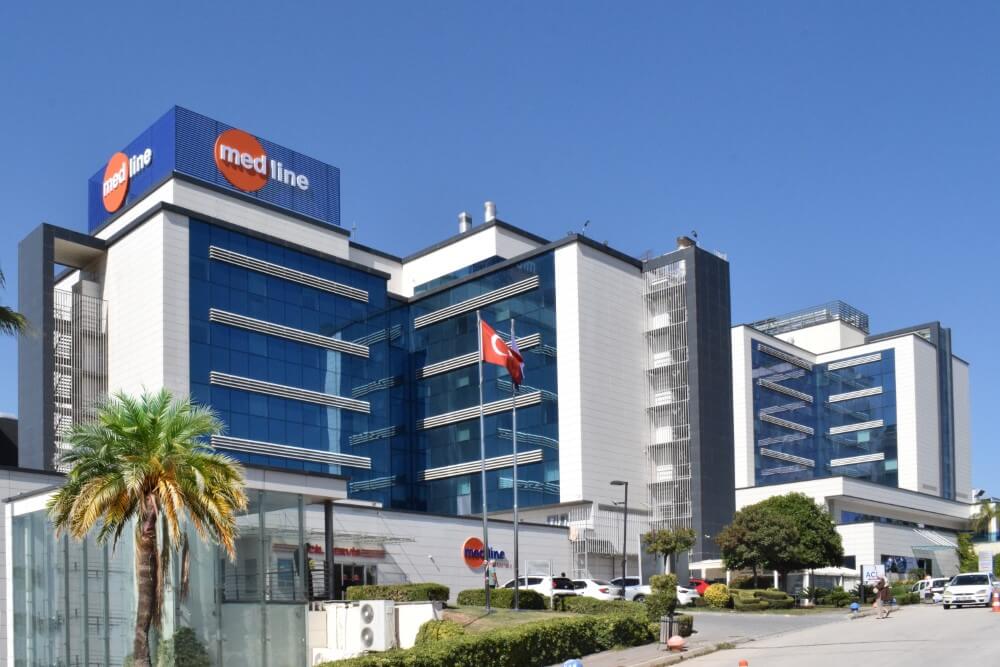
Medicape Health works in partnership with Medline Adana Hospital, a long-standing healthcare provider for the international community, including U.S. personnel associated with İncirlik Air Base.

A Relationship Recognized Since 2015

Medline Hospital’s quality of care and patient experience were recognized by the Commander of the U.S. Air Force 39th Medical Group in 2015.

About our partner hospital

Related Treatments

  • Rhinoplasty in Turkey

    A natural-looking nose that also breathes well, planned by a specialist in ENT and Head and Neck Surgery, in a JCI-accredited hospital in Adana.
  • Revision Rhinoplasty in Turkey

    Correcting the shape and breathing of your nose after previous surgery, with an honest assessment of what can be improved.
Open WhatsApp
Scroll
CONTACT US
WHATSAPP