 English


Liposuction in Turkey
Removing stubborn fat to reshape the body, planned within safe limits, in a JCI-accredited hospital in Adana.
Surgical correction of bow legs in adults, to straighten the leg and reduce strain on the knee, in a JCI-accredited hospital in Adana.
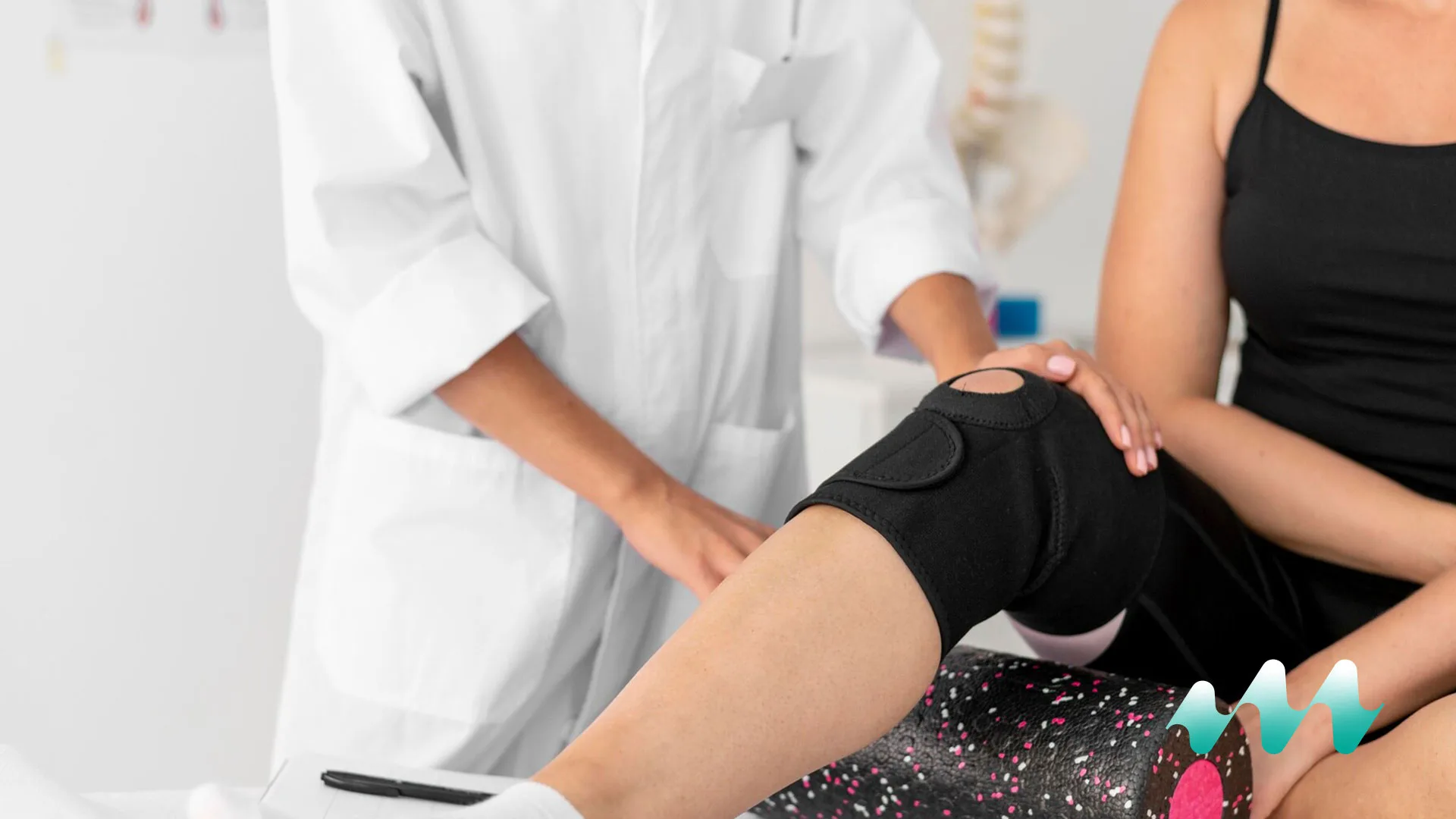
Bow legs (genu varum) means the legs curve outwards at the knees, so the knees stay apart when the ankles are together. In adults, bowing is usually caused by the shape of the shinbone (tibia), and sometimes the thighbone.
Besides how the legs look, bowing shifts weight onto the inner side of the knee. Over time this can cause knee pain and early wear of the joint.
Common causes include genetics, uneven growth during adolescence, conditions such as rickets or Blount’s disease, a fracture that healed out of line, and long-term stress on the legs.
In adults, the bones have stopped growing, so exercise, braces or physiotherapy cannot change the shape of the bone. They can strengthen the muscles and help with knee pain, but the alignment itself can only be corrected with surgery.
Bow leg correction may suit you if:
This is bone surgery with a recovery of several months. If your main concern is appearance alone, it’s important to weigh that carefully against the recovery and risks. Your surgeon will discuss this with you honestly.
In all three methods, the bone is cut in a controlled way (an osteotomy) and realigned so the leg is straighter and weight is spread more evenly across the knee.
Which method is right for you depends on where the bowing comes from, how much correction is needed and your X-rays. Your surgeon will explain their recommendation.
| Method | How it works | Often used for |
|---|---|---|
| High tibial osteotomy (HTO) | A wedge is opened or closed in the upper shinbone, just below the knee, to realign the leg | Bowing mainly in the upper shinbone, often with knee pain on the inner side |
| Acute correction with internal fixation | The bone is cut and straightened in one operation, then held with plates and screws inside the leg | Moderate bowing in one direction |
| Gradual correction with an external frame | A frame outside the leg (such as an Ilizarov or hexapod frame) is adjusted a little each day over several weeks | Complex deformities, larger corrections or a difference in leg length |
Important for international patients: gradual correction with an external frame needs regular adjustments and checks over several weeks, so it requires a much longer stay or return visits. If this method is recommended for you, we’ll plan it with you separately before you book.
Your surgery is performed by an experienced surgeon. You can find your surgeon’s profile, qualifications and experience on the Our Doctors page.
You’ll speak with your surgeon in your online consultation, and they will review your X-rays before anything is booked.
Bone surgery on the leg and a long flight both increase the risk of blood clots. That’s why your plan includes blood-thinning medication as prescribed, compression stockings, walking from the first days, and an aisle seat where possible so you can stretch your leg. Your surgeon clears you to fly only when it’s safe.
Not included: flights, travel insurance, personal expenses, physiotherapy and X-rays in your home country.
You’ll need a physiotherapist and access to X-rays in your home country after you return. We’ll give you a written plan to take with you.
Your surgeon will go through your personal risks with you before you decide.
Once the bone has healed in its new position, the correction is long-lasting. Keeping a healthy weight and staying active helps protect your knees.
Is there an age limit?
Your bones need to have stopped growing, usually from the late teens. There’s no strict upper limit; your knee health and general health matter more than age.
Can both legs be done at the same time?
Sometimes. Often the legs are done in two stages a few months apart, so you have one leg to rely on while the other heals. Your surgeon will advise.
When can I walk normally?
You walk with crutches from the first days. Many people walk without crutches from around six weeks, and are back to most daily activities by about three months.
Will it help my knee pain?
If your pain comes from extra pressure on the inner side of the knee, spreading the load more evenly often helps. Your surgeon will assess this from your X-rays.
Will I have scars?
Yes. The incisions are on the lower leg, near the knee, and fade over time. An external frame leaves small marks where the pins were.
Can someone come with me?
Yes, and we strongly recommend it, as you’ll be on crutches for your whole stay.
 |
 |
 |
| Prof. Dr. Cengiz Eser Aesthetic, Plastic and Reconstructive Surgery Specialist |
JCI-Accredited Hospital Contracted Hospital |
Bow Leg Correction (Osteotomy) |
| Bow leg correction is performed by an experienced surgeon. The surgeon’s profile and qualifications are shown on this page, and your X-rays are reviewed before anything is booked. | Bow leg correction procedures at Medicape Health are performed at our JCI-accredited partner hospital in Adana. | Bow leg correction is bone surgery. The bone is cut and realigned (an osteotomy) so the leg is straighter and weight is spread more evenly across the knee. |
The cost depends on the method, whether one or both legs are treated and how much correction is needed. Send us your photos and X-rays and you’ll receive a written, all-inclusive quote within 24 hours.
Tell us briefly about your case and our patient coordinator will get back to you with the details.
Send us a full-length photo and your X-rays on WhatsApp. A patient coordinator replies within 24 hours, and your surgeon will review your case before anything is booked.
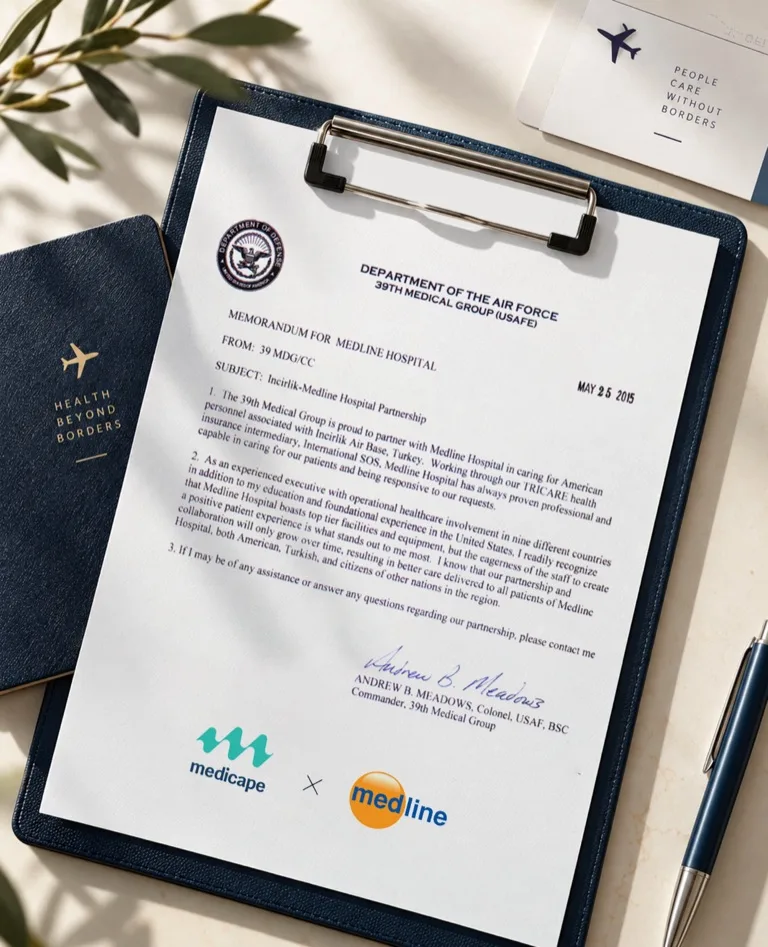
A Partnership Backed by International Trust
Medicape Health works in partnership with Medline Adana Hospital, a long-standing healthcare provider for the international community, including U.S. personnel associated with İncirlik Air Base.
A Relationship Recognized Since 2015
Medline Hospital’s quality of care and patient experience were recognized by the Commander of the U.S. Air Force 39th Medical Group in 2015.
About our partner hospital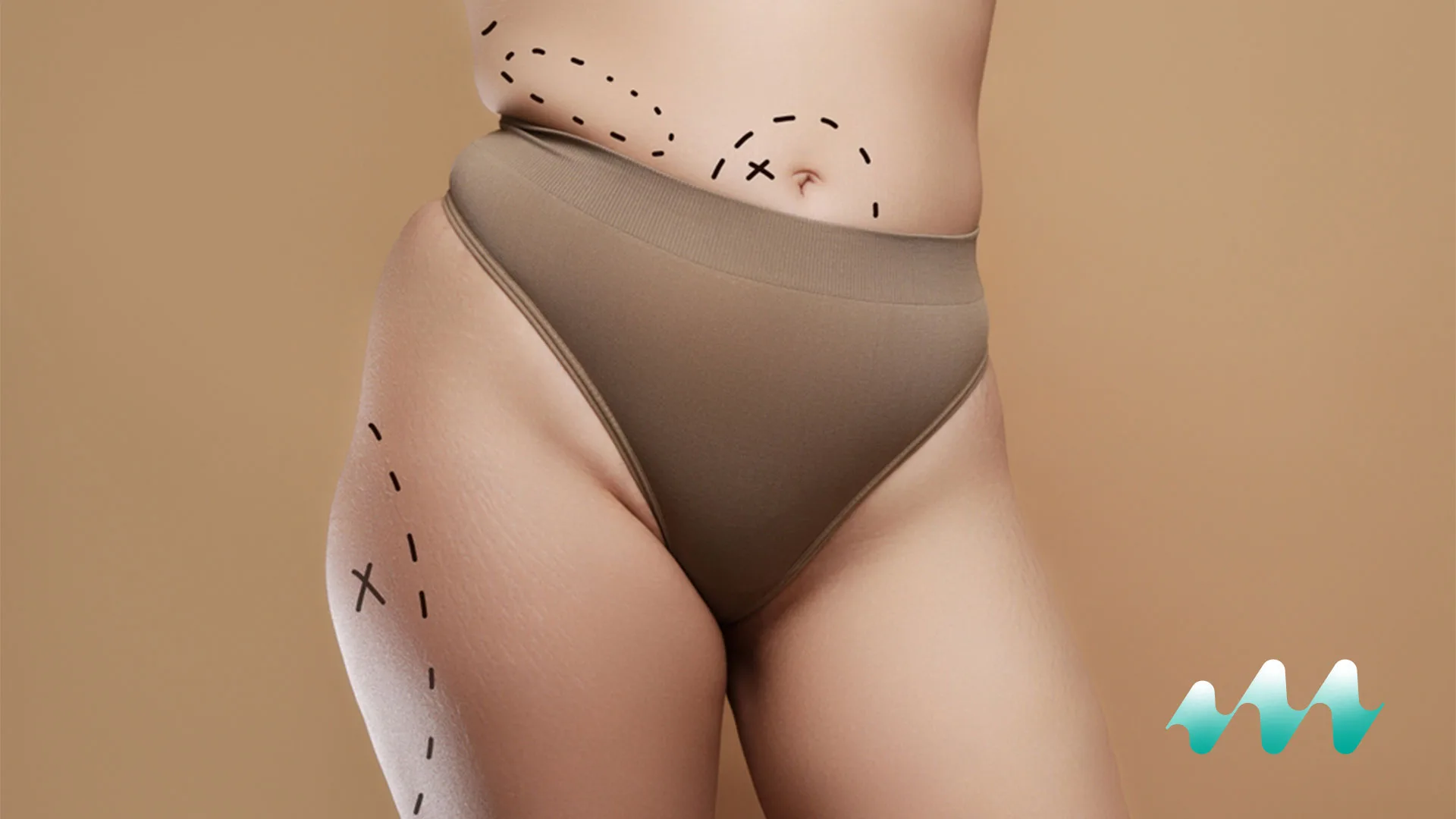
Liposuction in Turkey
Mommy Makeover

Body Contouring After Major Weight Loss

Tummy Tuck (Abdominoplasty) in Turkey
Thigh Lift (Thighplasty) in Turkey
Arm Lift (Brachioplasty) in Turkey
Brazilian Butt Lift (BBL) in Turkey