Most people planning a Brazilian butt lift ask us the same thing early on: how am I supposed to manage three weeks without sitting down? You still have to eat, sleep and get to the airport, and much of the advice online is written for someone recovering at home rather than abroad.
This article goes through BBL recovery in the order you will live it: why the rules differ from other operations, how to sit and sleep, what the compression garment does, what weeks one to eight usually look like, how to plan the trip home and which symptoms mean you should contact a doctor straight away. Your surgeon's plan for you comes first; this is the general picture we give patients before they travel.
A BBL is two procedures in one session. Fat is removed by liposuction from areas such as the abdomen, flanks, lower back or thighs, then purified and injected in small amounts into the buttocks.
Transferred fat has no blood supply of its own at first. In the early weeks it depends on the surrounding tissue while new small vessels grow into it, and pressure on the area can reduce that blood flow. Fat that is starved of blood is more likely to be absorbed or to form small firm lumps. That is the reason for the sitting rule. Some of the fat is always absorbed in the first months and the amount varies from person to person. The final shape is usually visible after about six months.
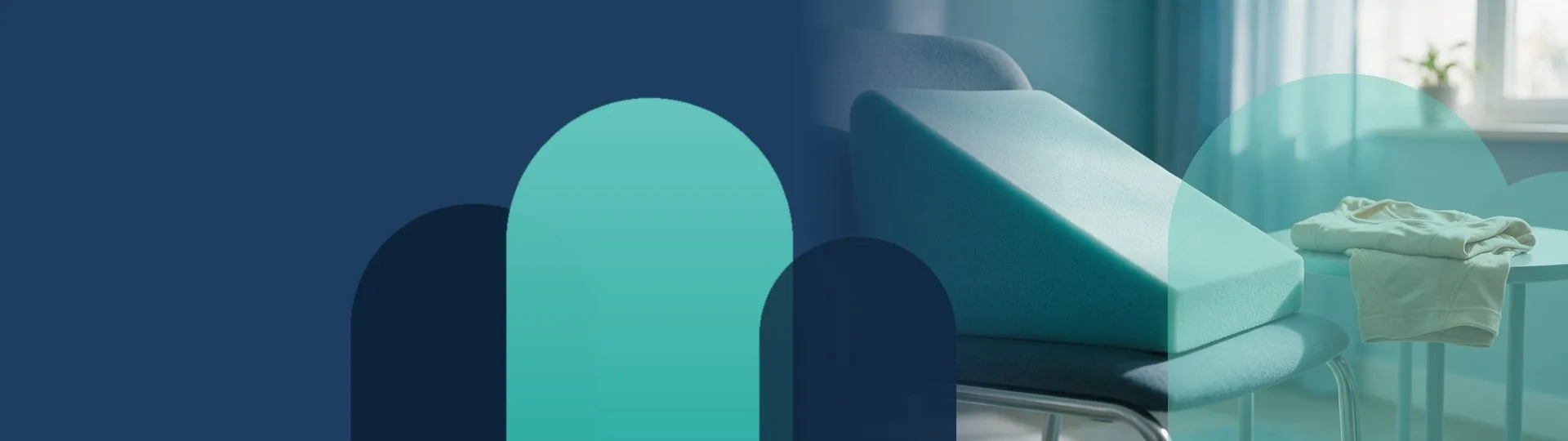
For about three weeks, you should avoid sitting directly on your buttocks. When sitting cannot be avoided, for a meal, a short car ride or the flight home, you use a BBL pillow. Most are wedge shaped or have a cut-out, so your weight rests on the backs of your thighs and the buttocks stay off the seat. A pillow lowers the pressure but does not remove it, so keep sitting time short.
In practice you will stand more than you expect. For the bathroom, ask your nurse or coordinator to show you how to manage without putting your full weight on the seat.
Lying on your back presses on the buttocks just as sitting does, so for the first weeks you sleep on your front or side. A long body pillow behind you can stop you rolling over in your sleep. Your surgeon will tell you when you can sleep on your back again.
You wear a compression garment over the liposuction areas, usually for about six to eight weeks. It supports the treated tissue, helps swelling go down and helps the skin settle over the new contour. Many BBL garments leave the buttocks open or lightly covered so the transferred fat is not pressed. Wear it as instructed, usually day and night in the early weeks. It should feel firm, but numbness, pain or deep marks that last for hours mean it may be too tight, and your team should know.
You usually spend one night in hospital with nursing care and start walking on the day after surgery. Walking from the first day keeps blood moving in the legs and lowers the risk of clots. The first week brings swelling and bruising, mostly in the liposuction areas, which often feel sorer than the buttocks. Most people return to light daily activities during weeks two and three, still without direct sitting.
From around week three, your surgeon will usually let you return to sitting in stages, first briefly with the pillow, then for longer. The garment stays on until about week six to eight. Sport, cycling and anything that puts pressure on the buttocks usually wait for about six to eight weeks. Swelling keeps easing for months, so the shape at week eight is not yet the final one.
| Period | Sitting and sleeping | Activity | Garment and checks |
|---|---|---|---|
| Surgery and first night | No sitting on the buttocks; lie on your front or side | Rest in hospital with nursing care | Garment fitted after surgery |
| Days 2 to 9 | No direct sitting; BBL pillow only when unavoidable | Several short walks every day | Check-ups; daily contact with your coordinator |
| Around day 10 | Pillow for the trip home | Travel only after clearance | Final examination before you fly |
| Weeks 2 to 3 | Still no direct sitting; front or side sleeping | Light daily activities for most people | Garment day and night |
| Weeks 3 to 8 | Gradual return to sitting, as advised | Sport and pressure on the buttocks usually wait about six to eight weeks | Garment for about six to eight weeks; online follow-up after one month |
| Months 3 to 6 | Normal sitting and sleeping | Normal activity, as cleared | Swelling settles; final shape becomes visible |
These are typical ranges; your surgeon may adjust any step to how you heal.
A flight means hours in a seat. That presses on the buttocks and, because you are still for so long, raises the risk of blood clots in the legs. This is why we plan a BBL around about ten days in Adana and why your surgeon examines you before you leave. You fly only once you have been cleared, usually around day 10. Our guide on when you can fly after surgery explains what a cabin does to a healing body.
For long-haul flights, such as to the United States, we plan the route and timing with you before surgery. A direct flight, or a layover long enough to walk around, is usually easier than a tight connection.
Swelling, bruising, tightness, tiredness and soreness in the liposuction areas are all expected in the first weeks. A few symptoms are different and need help without waiting for a scheduled check.
The most serious risk after a BBL is fat embolism, when fat enters the large blood vessels and travels to the lungs. It is rare and mainly linked to fat being placed in or under the muscle, which is why we place fat only in the layer above it. Blood clots in the legs or lungs are the other serious risk after body surgery and long travel. With both, fast medical help makes a real difference. Call your local emergency number or go to the nearest emergency department if you notice:
On a plane, tell the cabin crew you have recently had surgery. Tell your treating team too, but do not wait for their reply before getting help.
Fever, spreading redness around an incision, bad-smelling discharge, a sudden fluid-like swelling, pain that keeps increasing or bleeding that does not stop with gentle pressure should be seen by a doctor the same day. Send a photo to your team and see a local doctor too. Our article on aftercare and follow-up from home explains how to sort symptoms by urgency.
BBL surgery at Medicape is planned and performed by Prof. Dr. Cengiz Eser, a specialist in plastic, reconstructive and aesthetic surgery, at our contracted hospital, Private Medline Adana Hospital. You speak with him in an online consultation about your goals, history and risks before anything is booked. The procedure itself is described on our BBL surgery page.
After one night in hospital you recover at the hotel, with check-ups and daily contact from your coordinator. Before you fly you receive a written discharge summary in English for your own doctor. At home you keep WhatsApp access to your coordinator and can send photos at any time, and your surgeon reviews your progress in an online follow-up after one month.
Most people return to light daily activities within two to three weeks. Sitting comes back gradually from around week three, and the garment, sport and pressure on the buttocks usually follow a six to eight week timeline. The final shape is usually visible after about six months.
Only with the BBL pillow placed so your thighs take the weight, and only briefly when sitting cannot be avoided. For about three weeks you should not sit directly on your buttocks. Your surgeon will tell you when normal sitting can start.
Lying on your back presses on the transferred fat the way sitting does, so in the first weeks you sleep on your front or side. Your surgeon decides when to change, usually around the time you are allowed to sit again.
Usually around day 10, once your surgeon has examined you and cleared you to fly. Use your BBL pillow, wear compression stockings, drink water and walk the cabin regularly. Longer flights are planned with extra care before surgery.
 English


