Gastric Bypass Surgery
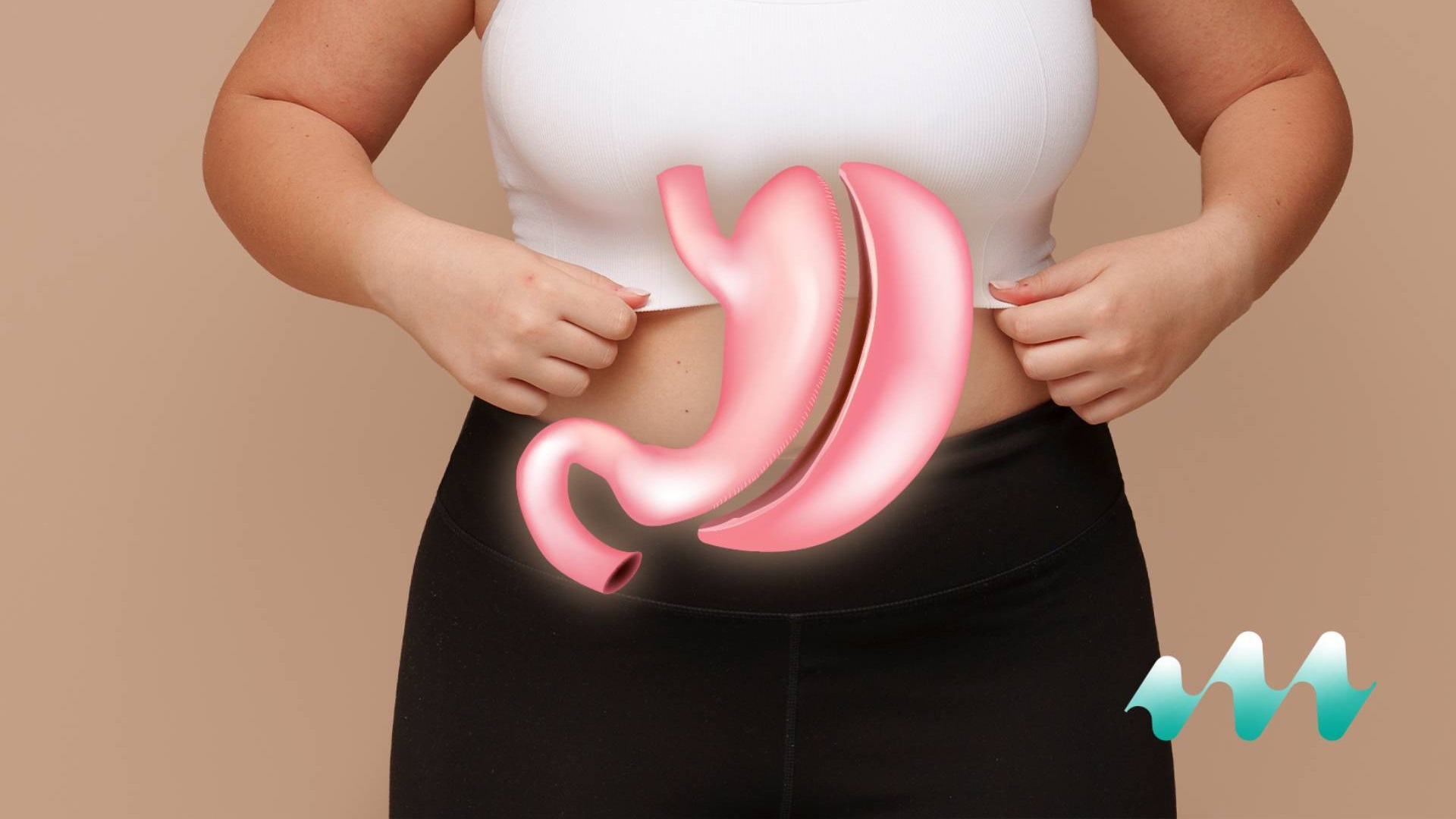
Gastric Sleeve Surgery in Turkey. A Lifesaving Procedure for Sustainable Weight Loss. Gastric sleeve surgery (sleeve gastrectomy) is a highly effective bariatric procedure where approximately 75-80% of the stomach is permanently removed, leaving a narrow "sleeve-shaped" stomach.
Gastric sleeve surgery (sleeve gastrectomy) is a highly effective bariatric procedure where approximately 75-80% of the stomach is permanently removed, leaving a narrow "sleeve-shaped" stomach.
This restrictive procedure not only limits food intake but also reduces production of the hunger hormone ghrelin, leading to significant weight loss and improvement in obesity-related conditions.
🔹 Substantial weight loss (50-70% of excess body weight within 12-18 months)
🔹 Improvement or resolution of comorbidities including type 2 diabetes, hypertension, sleep apnea, and high cholesterol
🔹 No foreign objects implanted (unlike gastric banding)
🔹 Lower risk of nutritional deficiencies compared to gastric bypass
🔹 Reduced hunger and appetite due to hormonal changes
🔹 Shorter operation time and recovery period than more complex procedures
✔ BMI ≥ 40 or BMI ≥ 35 with obesity-related health conditions
✔ Individuals who have struggled with long-term weight loss through diet and exercise
✔ Patients committed to lifelong dietary changes and follow-up care
✔ Those without severe GERD (as the procedure may worsen reflux)
✔ Non-smokers or willing to quit smoking before surgery
🔸 Advanced Laparoscopic Approach - Minimally invasive surgery with 5-6 small incisions
🔸 State-of-the-Art Stapling Technology - Uses reinforced staplers to prevent leaks
🔸 Intraoperative Endoscopy - Real-time visualization to ensure proper sleeve formation
🔸 ERAS Protocol - Enhanced Recovery After Surgery program minimizes discomfort
🔸 3D Imaging Planning - Preoperative virtual modeling for optimal results
🕒 First 24 Hours:
🩺 Week 1:
🕒 Weeks 2-4:
🕒 Months 1-3:
🕒 Months 6-12:
🔍 Specialized Bariatric Team - Surgeons performing 300+ sleeve procedures annually
📊 Multidisciplinary Approach - Includes nutritionists, psychologists, and physiotherapists
💊 Comprehensive Aftercare - 2 years of follow-up included in all packages
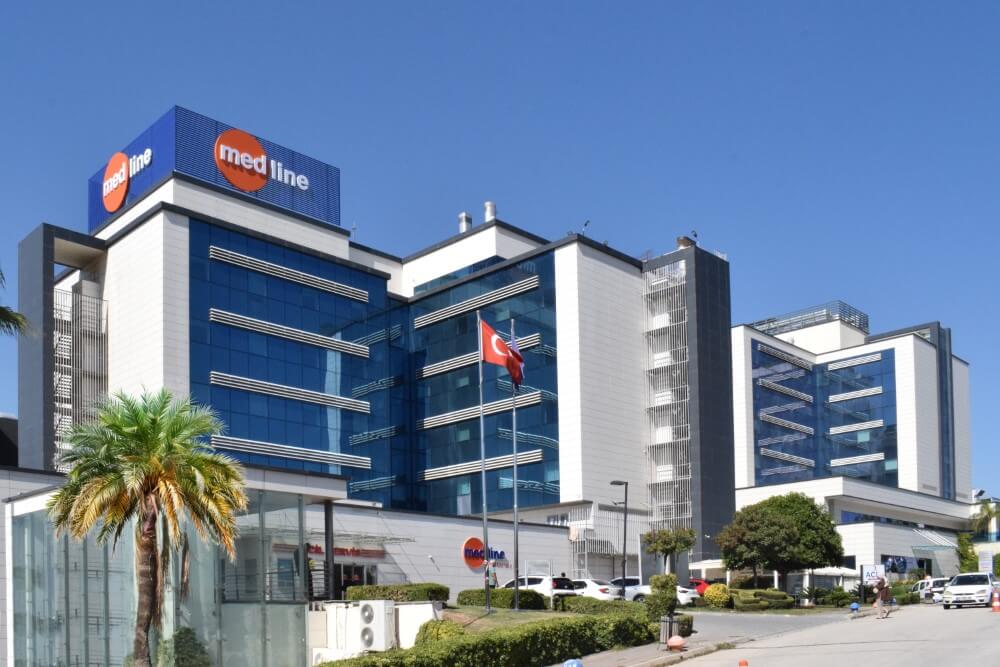
🏥 JCI-Accredited Facilities - Modern hospitals with dedicated bariatric units
🌍 International Patient Services - Visa assistance, interpreters, and concierge care
💰 Cost-Effective Packages - Prices all-inclusive
What is gastric sleeve surgery and how does it work?
During sleeve gastrectomy about 75-80% of the stomach is removed laparoscopically, leaving a narrow, tube-shaped stomach. The smaller stomach limits how much you can eat at one time. Because the removed part produces most of the hunger hormone ghrelin, appetite usually decreases as well.
Who is a suitable candidate for gastric sleeve surgery?
It is generally considered for people with a BMI of 40 or above, or a BMI of 35 and above together with obesity-related conditions such as type 2 diabetes, hypertension or sleep apnoea, who have not achieved lasting results with diet and exercise. Severe reflux may make gastric bypass the better option, because sleeve gastrectomy can worsen GERD. The final decision is made by the surgical team after your medical history, blood tests and endoscopy have been reviewed.
Is gastric sleeve surgery reversible?
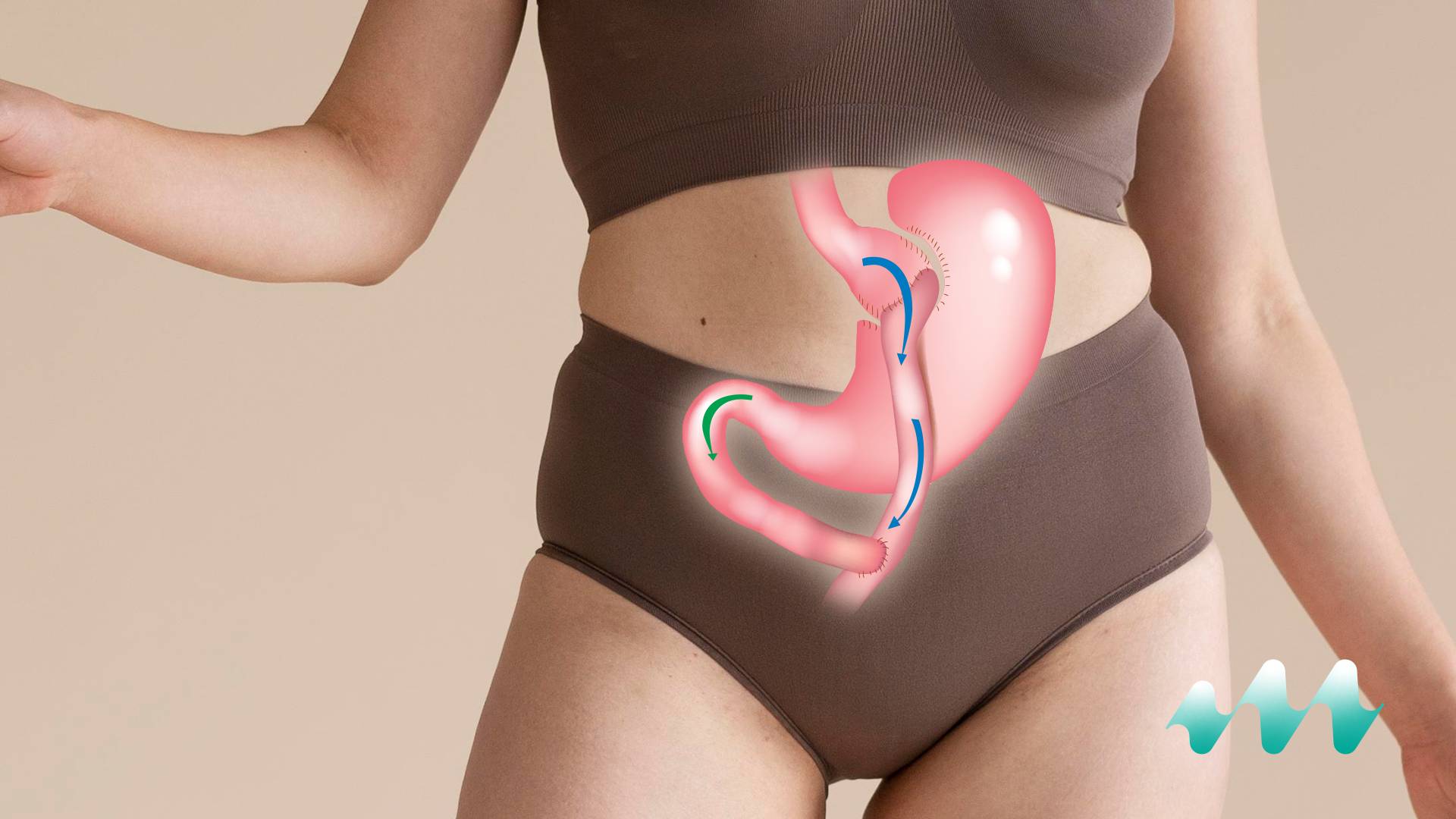
No. The removed portion of the stomach cannot be put back, so sleeve gastrectomy is a permanent procedure. In selected cases of insufficient weight loss or severe reflux it can later be converted into a gastric bypass, but that is a second operation rather than a reversal.
How long does the operation take and how long will I stay in hospital?
The laparoscopic procedure is performed under general anaesthesia through 5-6 small incisions and usually takes about one to two hours. Most patients stay in hospital for one to two nights, receiving fluids and pain treatment and being encouraged to walk early to reduce the risk of blood clots.
How many days should I plan to stay in Turkey?
Plan for roughly five to seven days in Adana. This covers your pre-operative tests and hospital admission, the surgery itself, in-hospital monitoring and about three days of hotel recovery with a final check-up. Your surgeon confirms that you are fit to fly before you travel home.
How much weight will I lose after a gastric sleeve?
Patients lose on average around 50-70% of their excess weight within the first 12-18 months, but no exact figure can be promised to any individual. The result depends on your starting weight, metabolism, physical activity and how consistently you follow the nutrition plan. Weight can also be regained over the years if previous eating habits return.
Will I need vitamins and a special diet afterwards?
Yes. You move from clear liquids to pureed food, then to soft and finally solid meals over the first weeks, with protein intake as a priority. Vitamin and mineral supplements such as B12, iron and vitamin D, together with periodic blood tests, remain part of your long-term care, and two years of follow-up are included in the Medicape programme.
What are the risks of gastric sleeve surgery?
As with any major abdominal operation there are risks, including bleeding, staple-line leak, infection, blood clots and new or worsening reflux. Reinforced stapling, intraoperative endoscopy and leak testing reduce these risks considerably, but they cannot be eliminated. A detailed pre-operative assessment is used to decide whether surgery is appropriate for you.
![]() |
![]() |
| Hospital-Based Bariatric Care Contracted Hospitals with Intensive Care Capacity |
Laparoscopic Sleeve Gastrectomy Planned by a Multidisciplinary Team |
| Every sleeve gastrectomy arranged by MediCape Health takes place in contracted Adana hospitals with a resident anaesthesia team, intensive care capacity and round-the-clock inpatient monitoring. | The operation is built around your own records. Blood work, endoscopy and anaesthetic assessment are reviewed first, and a surgeon, dietitian and nursing team stay involved from the first liquid meal onwards. |
Sleeve gastrectomy permanently reshapes the stomach, so the country you choose decides more than the price: where the surgery takes place, who remains accountable afterwards, and how the travel is organised.
Turkey performs a very large annual volume of bariatric surgery, and sleeve gastrectomy is the most requested procedure within it. That volume matters in a specific way, because a restrictive, irreversible operation rewards routine: teams shaping sleeves every week work with settled staple-line protocols, familiar calibration and fixed leak-testing habits.
MediCape Health is based in Adana and coordinates the whole pathway, not only the day of surgery. Your reports are reviewed before you fly, the hospital, surgeon and anaesthetist are confirmed in advance, and the dietitian programme covering the liquid, pureed and soft phases begins before discharge.
Because the removed portion of the stomach cannot be restored, the pre-operative assessment is treated as part of the procedure. Reflux history is examined closely, since severe GERD may point towards a different operation, and the final recommendation always rests with the surgical team after examination.
A sleeve gastrectomy pathway in Turkey usually includes:
Patients travelling for weight loss surgery compare health systems, not only clinics. Turkey has become a reference destination for bariatric care because high case volume, modern hospital infrastructure and organised international patient services exist in the same place.
Key advantages of choosing Turkey for a sleeve gastrectomy:
Adana adds a practical dimension. It is a large medical city with its own international airport, so travel is direct and the hospital is reached quickly, while recovery takes place away from the congestion of the biggest tourist centres.
Gastric sleeve surgery in Turkey is generally more accessible than in most Western European health systems, while still being carried out in fully equipped hospitals. No single figure applies to everyone, because the cost reflects the clinical work your case actually requires.
Factors that influence the price of a sleeve gastrectomy:
MediCape Health therefore does not quote a sleeve gastrectomy before the medical file is examined. A price given without knowing your history is a marketing figure rather than a treatment plan.
| Comparison Criteria | |
|
|---|---|---|
| Surgical Expertise | High annual sleeve volume in dedicated bariatric units | Certified surgeons with case volumes varying by centre |
| Technology & Safety | Reinforced stapling and routine intraoperative leak testing | Modern laparoscopy, protocols differing between centres |
| Waiting Time | Surgery scheduled within weeks of the file review | Long referral and assessment pathways before a date |
| Treatment Packages | Tests, surgery, hospital stay, accommodation and transfers together | Procedure-based costing with separate added charges |
| Materials & Devices | Reinforced staple lines and calibrated sleeve sizing as standard | Comparable devices, availability depending on provider |
| Customization Level | Procedure reconsidered case by case, including reflux findings | Standardised pathway criteria across the service |
| International Patient Experience | Interpreters, transfers and remote follow-up built in | Designed primarily around domestic patients |
| Privacy & Comfort | Discreet recovery with dedicated medical travel support | Local treatment with limited discretion |
Gastric Bypass Surgery
Type 2 Diabetes Surgery